
Review · GERMANY
Best of Berlin E-Bike Tour
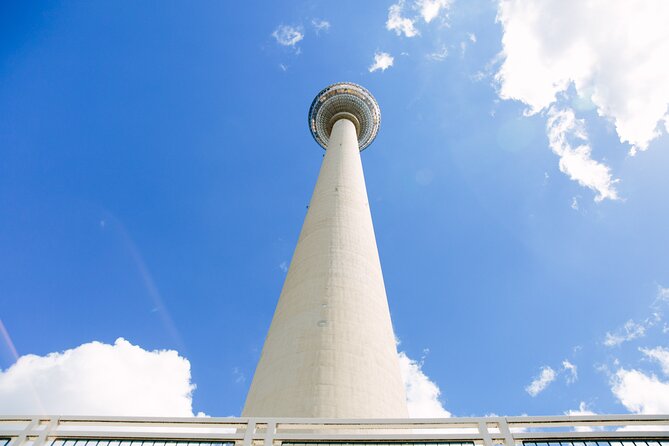
Berlin’s long distances make a bike tour a smart way to cover the capital’s main sights. This three-hour ride begins at the TV Tower in Alexanderplatz and links Checkpoint Charlie, Bebelplatz, Brandenburg Gate, and Museum Island without asking you to walk between each one.
I like the easy pace, with regular stops for photos and questions. I also like the chance to hear Berlin’s story from guides such as Yael, Thor, Maggie, Carlos, and Sander, who have earned especially warm praise for their humor and clear explanations. The main drawback is that a large group can make it harder to hear, and the tour may include standard bikes instead of E-Bikes.
Key points to know before you book
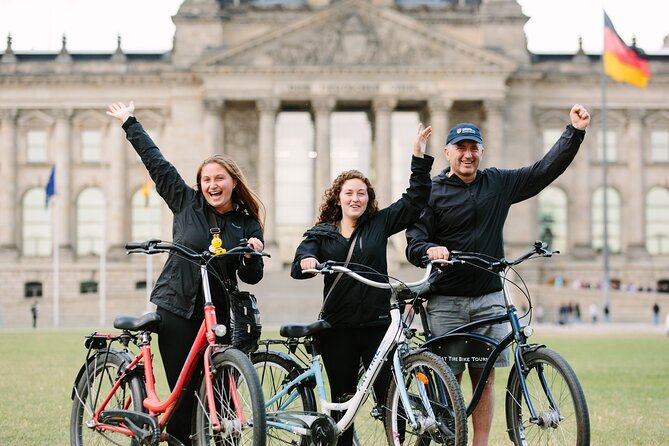
- Three hours covers Berlin’s central must-sees: The route gives you a useful first look at major landmarks without spending a full day on a bike.
- Pedal assist helps on a long city ride: Berlin is mostly flat, but an E-Bike can make the distance easier, especially in cold weather or when you are short on energy.
- The stops connect several eras: You move from Prussian Berlin to the Nazi period and then to the Berlin Wall and modern capital.
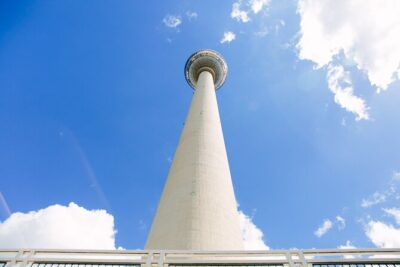
- Alexanderplatz is an easy starting point: Meet at the base of the TV Tower, one of Berlin’s most recognizable meeting spots.
- The tour is English only: Riders under 18 need an adult, children under 14 cannot join, and every E-Bike rider must be at least 160 centimeters tall.
- Plan for the weather: Tours run rain or shine, so bring suitable clothing. In winter, gloves are a very good idea.
Why a bike is a good way to see Berlin
Berlin is spread out. Its famous sights sit across several central districts rather than around one compact old town square. You can walk between some landmarks, but covering the full route on foot takes time and energy. Public transport works well, but it can also interrupt your sense of how the city fits together.
A bike gives you a useful middle ground. You move faster than a walker, yet you remain close to the streets, memorials, facades, and fragments of the Wall. You also avoid the repeated wait for trains or buses.
The pedal-assist motor matters most if you want a relaxed ride rather than a workout. You still pedal, but the bike helps take the strain out of the journey. Berlin is notably flat, as Milan pointed out after choosing that a standard bike might have suited him just as well. If you are comfortable cycling and want exercise, the regular bike may be enough. If you prefer to save your legs for museums and evening plans, take the E-Bike if one is available.
The operator notes that the group can include a mixture of E-Bikes and standard bikes. That means you should not book on the assumption that every rider will receive the same type of bicycle. Ask about the available bike when you arrive, especially if pedal assist is important to you.
More e-bike tours around the world:
- 3-Hour Porto Highlights on a Electric Bike Guided Tour
★ 5.0 · 4,392 reviews - Lisbon: Hills, Alfama, and Mouraria Tour by Electric Bike
★ 4.8 · 3,438 reviews - Athens Scenic Electric Bike Tour with optional Acropolis visit
★ 5.0 · 3,350 reviews
Starting beneath the TV Tower in Alexanderplatz
The meeting point is at the base of the TV Tower in Alexanderplatz. This is one of the simplest places in Berlin to find, thanks to the tower’s height and the square’s central position.
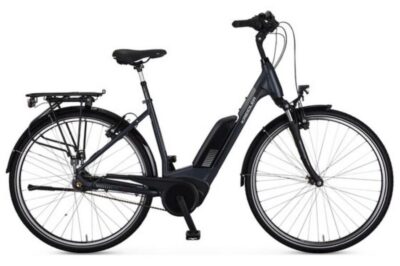
Your guide helps you select a city-cruiser style bike and get ready for the ride. A helmet is provided, though wearing it is optional. The setup is meant to be straightforward, which is useful when you want to spend your limited time seeing Berlin rather than sorting out equipment.
The guides are a major part of the experience. Sander has been praised for making the E-Bike choice work especially well, while Yael, Thor, Maggie, Carlos, Michelle, and others have been singled out for humor, patience, useful advice, and clear explanations. The names vary by departure, so you cannot book a particular guide based on the available information. Still, the consistent pattern is clear: the guide is not simply leading the group from one address to another. You can ask questions and request suggestions for places to visit after the ride.
The tour runs only in English. That makes it a good fit if you want a live explanation of Berlin’s past rather than a silent route with occasional photo stops.
Checkpoint Charlie and Berlin’s divided past
Checkpoint Charlie is one of the tour’s most important stops. The famous crossing point once marked the boundary between East and West Berlin, and it remains one of the city’s strongest reminders of the Cold War.
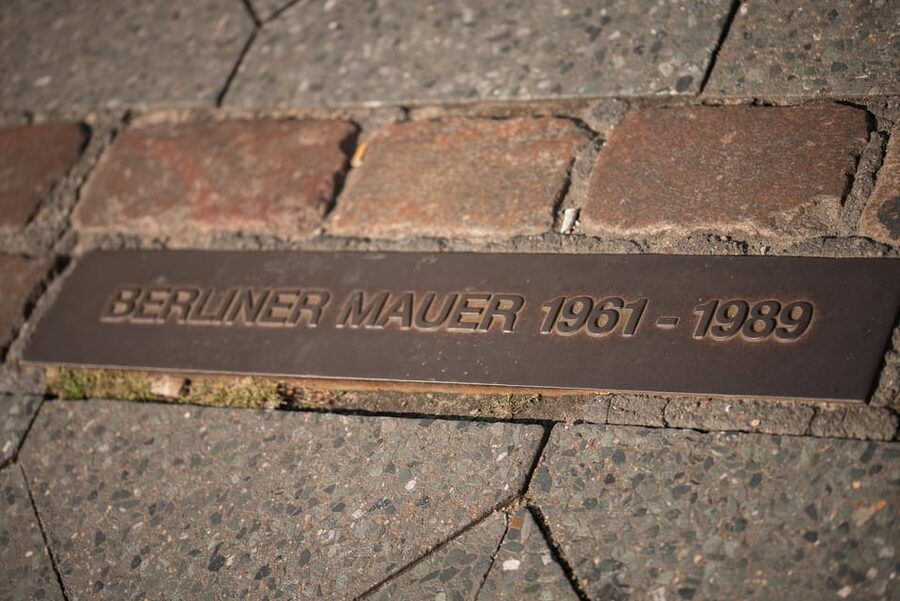
You will also see a remaining stretch of the Berlin Wall. That detail matters because much of the Wall has disappeared, while the surviving sections help you picture how the border cut through ordinary city streets. Your guide can place the checkpoint and Wall in the wider story of the city’s division, rather than leaving you with only a photo opportunity.
This stop can feel crowded and heavily visited, so the guide’s explanation is particularly useful. The physical remains are limited, and a short stop cannot tell every part of Berlin’s postwar story. Still, it gives you a clear foundation for understanding the Wall, the split between East and West, and the events that led to reunification.
If the Wall is your main reason for visiting Berlin, this tour is an introduction rather than a full study. You will see an important surviving section, but the three-hour route also has to make room for Prussian and central Berlin landmarks.
Bebelplatz and the center of Prussian Berlin
Bebelplatz introduces a different Berlin. The square sits in the historic center of Prussian power, surrounded by grand buildings and institutions that reflect the city’s earlier political and cultural role.
The tour uses this stop to explain Prussian Berlin before moving into the darker chapters of the twentieth century. That broad timeline is one of the route’s strengths. You are not seeing isolated monuments; you are moving through the changes that shaped the capital.
Bebelplatz also connects the city’s architectural setting to its political past. The square is not merely a pretty pause on the route. It helps explain how Berlin developed as a seat of power and learning, and how those institutions were later caught up in the crimes of the Nazi period.
The itinerary includes the rise of the Third Reich as part of its wider story. The exact amount of time at each site depends on the guide and the group, so you should not expect a full specialist tour of Nazi Berlin. Instead, you get a concise introduction that puts the central sights into order.
Same saddle, a different route:
- Porto: City Highlights 3-Hour Guided Electric Bike Tour
★ 4.8 · 3,092 reviews - Red Rock Canyon eBike Half-Day Tour
★ 5.0 · 1,870 reviews - Hidden Kyoto E-Biking tour
★ 5.0 · 1,843 reviews - Rome EBike Tour: Appian Way, Catacombs & Roman Aqueducts
★ 5.0 · 1,766 reviews
Brandenburg Gate, Berlin’s best-known symbol
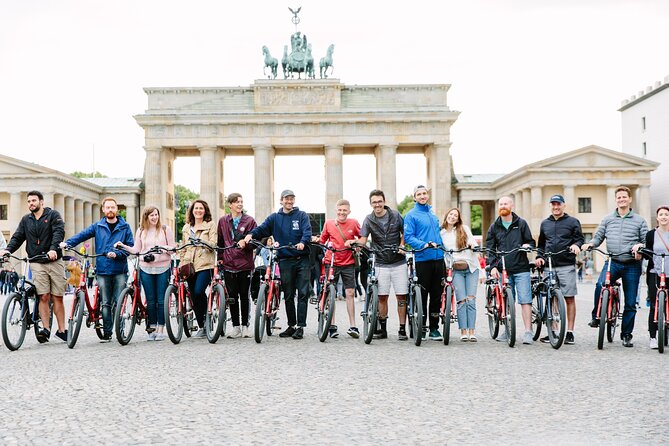
Brandenburg Gate is the natural centerpiece of a first visit to Berlin. Once associated with Prussian authority, it later became a powerful image of division and reunification. Its meaning changed as Berlin changed.
A guided stop helps you see more than the columns and famous sculpture. You can ask how the gate fits into Berlin’s political story and why it became such a strong symbol after the Wall fell.
The gate is also a practical photo stop. You have time to take pictures and hear the explanation before moving on. Because the tour links several major sites, you should expect an overview rather than a long period for independent exploration around the gate.
That tradeoff is worth keeping in mind. If you want time to inspect every nearby building or enter a museum, you will need to return later. The value here is seeing Brandenburg Gate as part of a connected route, then knowing which places deserve a longer visit.
Museum Island and the central city view
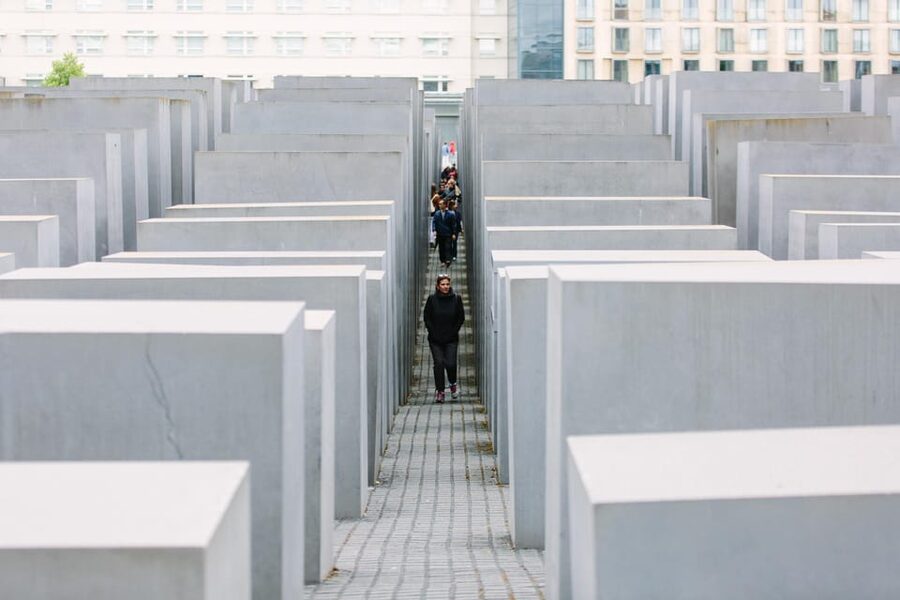
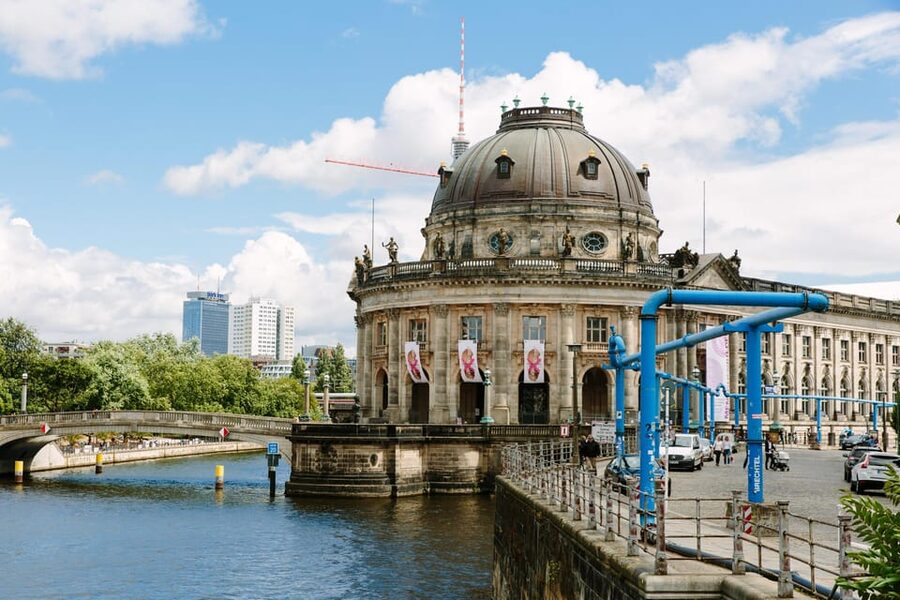
Museum Island brings the ride back to Berlin’s cultural center. The island’s setting is picturesque, with major museum buildings gathered along the Spree. Even if you do not enter a museum during the tour, the stop gives you a sense of why this part of Berlin matters.
You get time for photos and a guide’s explanation, but not a museum visit. That is the right format for a three-hour cycling tour. Museums require their own schedule, and trying to add an interior visit would make the ride rushed.
I like this part of the route because it balances the heavier political stops. Checkpoint Charlie and the Wall carry the weight of recent German history, while Museum Island shows Berlin as a center of art, scholarship, and public culture.
The route is designed so that you do not cycle far between stops. That makes the ride less tiring and leaves more time for the guide’s commentary. You are still spending three hours on a bike, though, so anyone uncomfortable with cycling should consider the physical demand before booking.
How the history fits together
The tour’s strongest feature is its range. In one morning or afternoon, you move through Prussian Berlin, the Third Reich, the Cold War, reunification, and the modern capital.
That sequence gives you a useful mental map. Berlin’s monuments can otherwise feel scattered, and the city’s past is not always obvious from the streets. A good guide connects the places, explains what changed, and answers the questions that arise along the way.
The guides receive particular praise for this part of the experience. Yael has been described as funny and interesting, Thor as entertaining, and Maggie as friendly and well prepared. Carlos and Sander have also been appreciated for answering questions and offering suggestions for the rest of a Berlin stay.
You should still keep the format in mind. This is a highlights tour, not an academic seminar. The guide has to keep the bicycles moving, manage stops, and stay within three hours. If you want detailed treatment of only the Third Reich or only the Wall, a specialist walking tour may serve you better.
The pace, group size, and cycling conditions
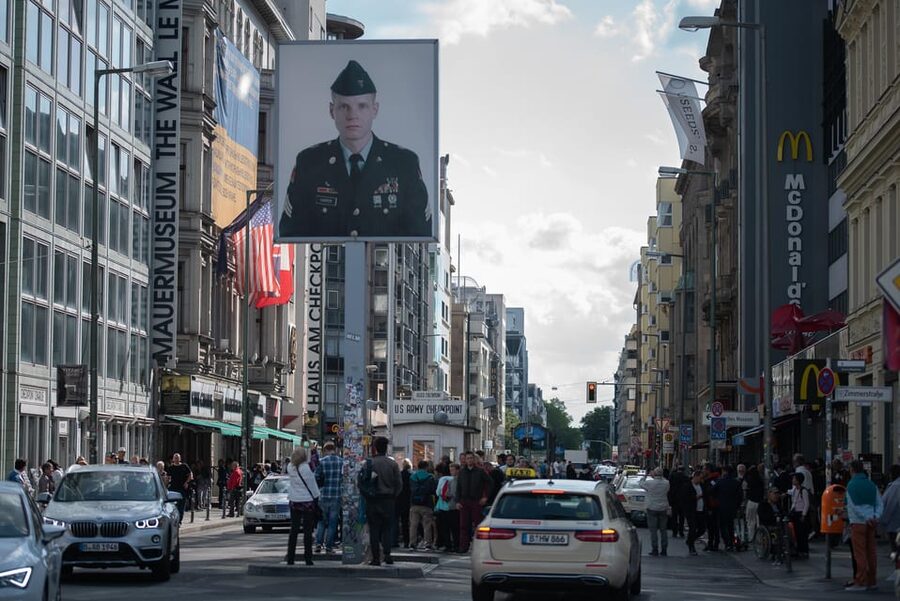
The route includes stops at each major sight, with time for questions and pictures. That rhythm works well for first-time visitors who want orientation without giving up an entire day.
One practical concern is group size. A recent rider found a large group made it difficult to hear the guide. This is not a complaint about the route itself, but it is a real issue on a bike tour. If you are placed toward the back, you may need to move closer during explanations or ask the guide to repeat a point.
Berlin’s flat streets make the physical side manageable for many riders. The E-Bike is still helpful if you are not used to riding for three hours, if the weather is cold, or if you want to arrive at each stop fresh. On the other hand, confident cyclists may prefer a standard bike, particularly because the tour may include both types.
The tour operates in rain or shine. That is useful for fixed holiday plans, but it puts the responsibility on you. Bring weather-appropriate clothing, and do not rely on a pleasant forecast staying pleasant all afternoon. One winter rider specifically recommended gloves, a small but worthwhile tip.
Is $64 a fair price?
At $64 per person, the tour sits in a reasonable range for a guided three-hour city experience. The price includes the English-speaking guide, bike, optional helmet, and guided route through central Berlin.
The value comes from the amount of ground covered and the local explanation at each stop. If you tried to visit the same sights independently, you would not pay for a guide, but you would spend more time planning the route and connecting the sites. The tour also gives you an immediate list of places to revisit in greater detail.
The price is less compelling if you already know central Berlin well or plan to spend your day inside museums. It is also worth checking the bike allocation before you go if the E-Bike is central to your decision. The tour description allows for standard bikes, so the pedal-assist feature is not guaranteed for every rider.
Free cancellation up to 24 hours before the start and the option to reserve now and pay later add useful flexibility. Those terms are practical for a Berlin schedule that may change, though you should still check the available starting times before booking.
Who should book this Berlin E-Bike tour?
I would recommend it to first-time visitors who want a clear introduction to Berlin in a single outing. It suits people who enjoy learning while moving, families with older teenagers, and anyone who finds Berlin too spread out for a walking tour.
The minimum age is 14. Riders under 18 must be accompanied by an adult, and children under 14 cannot join. E-Bike riders must be at least 160 centimeters, or 5 feet 3 inches, tall. Children’s attachments cannot be fitted to E-Bikes, so this is not a suitable choice for families with young children who need a bike seat or trailer.
You should also feel comfortable riding in a city setting. The provided information does not give specific details about traffic conditions, bike lanes, or the maximum group size. If you are nervous on a bicycle, ask the operator what riding level and group format to expect before paying.
Should you book it?
Book this tour if you want to see Berlin’s main central sights quickly and understand how the city’s Prussian, Nazi, and Cold War chapters connect. The guides are the biggest asset, and the E-Bike format lets you cover ground without turning the day into a hard workout.
Skip it if you want long visits inside museums, a specialist focus on one period, or a quiet small-group experience with guaranteed personal attention. Also think twice if you are under the height requirement, traveling with young children, or uncomfortable riding for three hours in changing weather.
For most first-time visitors, this is a useful opening activity. Take notes on the places that catch your interest, then return on foot or by public transport for a closer look.
FAQ
Where does the Berlin E-Bike tour begin?
The meeting point is at the base of the TV Tower in Alexanderplatz, a central and easy-to-find location.
How long does the tour last?
The guided bike tour lasts three hours.
What landmarks does the route include?
The route includes Checkpoint Charlie, a remaining stretch of the Berlin Wall, Bebelplatz, Brandenburg Gate, and Museum Island, along with other central Berlin sights.
Is the tour conducted in English?
Yes. The tour runs only in English and includes a live English-speaking guide.
Are E-Bikes guaranteed?
No. The tour may include a mixture of E-Bikes and standard bikes. You should confirm the available bike type if pedal assist is important to you.
What are the age and height requirements?
Children under 14 cannot join. Riders under 18 must be accompanied by an adult. E-Bike riders must be at least 160 centimeters, or 5 feet 3 inches, tall.
New e-bike tours around the world
- Franschhoek: E-Bike & Wine Tour (Shared Tour)★ 5.0 · 10 reviews
- Franschhoek: Explore The Valley Of Dreams With E-Bikes★ 5.0 · 7 reviews
- Franschhoek: Private E-bike Ride & Wine Experience★ 5.0 · 6 reviews
- Frankfurt: Unique E-Bikes Tours★ 4.8 · 22 reviews
- Forte Dei Marmi: E Bike Tour and hidden gems with a local★ 4.7 · 3 reviews
- Private E-Bike Tour: Piazzale Michelangelo & Florence hills★ 5.0 · 5 reviews
- eBike Guided Tour of Fort Worth★ 5.0 · 4 reviews
- Formentera: discover our fast ferry + electric bike package.★ 4.4 · 51 reviews
Germany E-Bike Tours, side by side.
Berlin: E-Bike Tour of the Berlin Wall and Mitte Highlights
Read our review →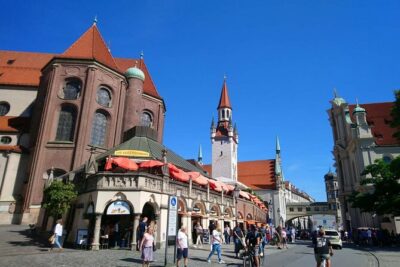
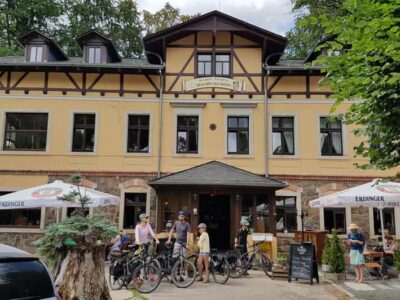
Dresden: E-Bike Tour and Dresden Heath Forest Trails
Read our review →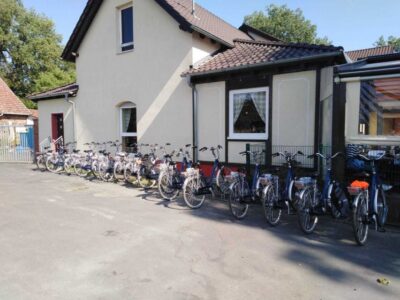
This ride also appears in