
Review · KYOTO
Hidden Kyoto E-Biking tour
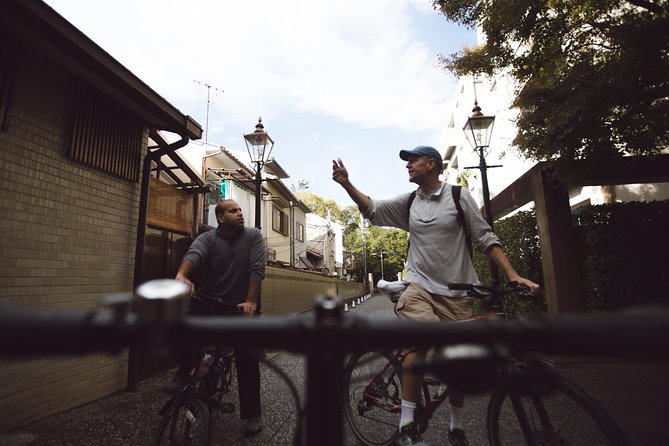
Kyoto’s best moments are often found between the famous sights. This small-group ride uses easy e-bikes to link Kinkakuji, Daitokuji, Kitano Tenmangu, Koto-in, and Zuihoin with quiet lanes and calm temple grounds that are harder to reach on foot. It gives you a useful mix of major landmarks and lesser-known corners in one morning or afternoon.
I like the small maximum of eight people, which lets guides such as Yuta, Michael, Sean, Henry, and Shizuka adjust the pace and answer questions. I also like the cultural detail: expect more than names and dates, with explanations of Zen, Shinto, Buddhism, geisha culture, tea customs, and temple etiquette. The main consideration is that this is still a bicycle tour. You need to arrive early, ride confidently enough for streets and hills, and accept that a talkative guide may leave less time for wandering at each stop.
Key points at a glance
- Quiet northern Kyoto by e-bike: See major temples while using peaceful backstreets to move between them.
- Five strong cultural stops: Kinkakuji, Daitokuji, Kitano Tenmangu, Koto-in, and Zuihoin each offer a different view of Kyoto.
- Guides add real context: Yuta is praised for his Zen and cultural explanations, while Michael, Sean, Henry, and Shizuka are also named as engaging leaders.
- Small groups keep the ride personal: The tour accepts no more than eight people.
- Easy riding, with some hills: Electric assistance helps, but you still need to handle a bike and follow the guide safely.
- Good value for a half day: At $116 per person, the price includes the bicycle, helmet, water, and an English-speaking route coordinator.
Why this bike route shows you more of Kyoto
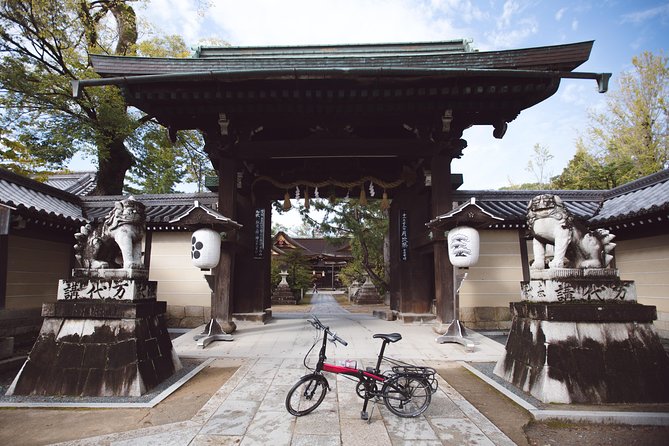
A standard Kyoto day can become a procession from one famous temple to the next. You ride a train or bus, walk through a packed approach, take photos, and repeat the process. This tour changes the rhythm. The bicycle becomes your connection between places, and the quiet streets are part of the sightseeing.
The route covers roughly 7 to 8 kilometers, or about 4.3 to 4.9 miles, over approximately 3 hours and 45 minutes. That is not a strenuous athletic ride. The electric bikes handle much of the effort, including hills that could make an ordinary city bicycle unpleasant. Still, you are riding outdoors for most of the tour, so the experience feels active rather than passive.
I especially like this format early in a Kyoto visit. It gives you a sense of how the northern part of the city fits together, and the guide can point out ideas you will keep noticing later, such as the difference between Shinto shrines and Buddhist temples. It also works well for returning visitors who have already seen the central sights and want a quieter side of the city.
More e-bike tours around Japan:
- Tokyo Top Highlights 3h Guided E-bike Tour
★ 5.0 · 714 reviews - 3h Tokyo E-Bike Tour: Hidden Gems, and Local Life with guide
★ 5.0 · 670 reviews - 5 Top Highlights of Kyoto Full Day Bike Tour (E-bike option)
★ 5.0 · 511 reviews
Starting at NORU and getting comfortable on the e-bike
You meet at NORU Kyoto Bike Tours, at 429-22 Takigahanacho in Kamigyo Ward. The shop is near public transportation, and the tour begins at several listed times: 8:30 a.m., 9 a.m., 12:30 p.m., or 1 p.m. Arrive at least 15 minutes before departure. This matters because a late arrival that causes you to miss the start is not refundable.
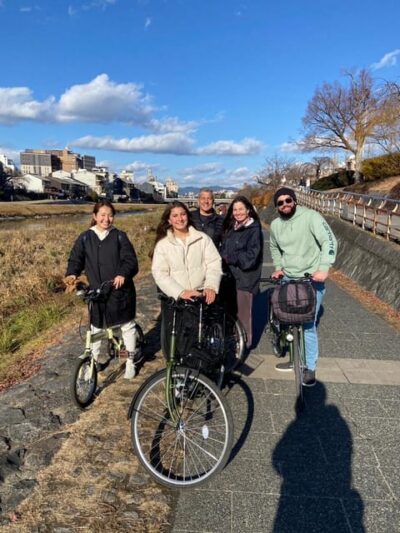
The bicycle, helmet, and water are included. Time is provided for getting fitted and learning the controls. This is important if you have not used an e-bike before. Electric assistance is not the same as a regular bicycle, and the guide needs to make sure everyone can start, stop, steer, and manage the bike comfortably.
The minimum age is 13. Most people can participate, but you should be honest with yourself about your cycling ability. The ride is described as easy, yet the route includes hills and some downhill sections. One account specifically notes a steep hill, made manageable by the electric motor. You do not need to be a serious cyclist, but you should be comfortable riding in an urban setting.
Kinkakuji gives the ride an iconic beginning
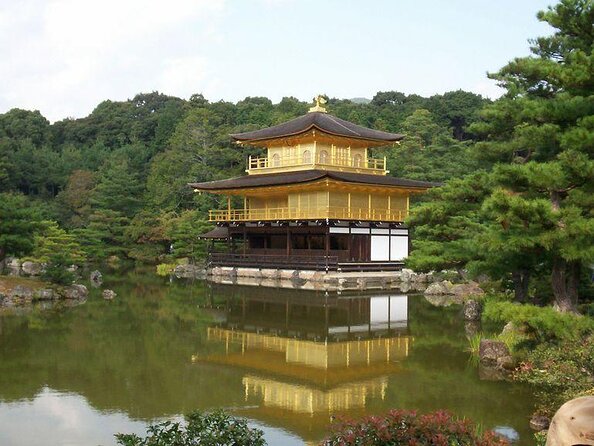
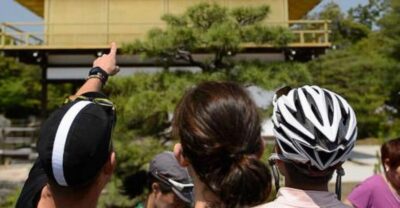
Kinkakuji, the Golden Pavilion, is the most instantly recognizable stop. Its gold-covered upper stories reflected over the surrounding pond create one of Kyoto’s classic scenes, and its UNESCO World Heritage status makes it a major reason many people come to the city.
The useful part of seeing Kinkakuji with a guide is the context around the image. You are not simply stopping for a photograph before being sent on your way. The guide can place the pavilion within Kyoto’s Buddhist and political story, then help you understand how this highly visited site differs from the quieter temples later in the ride.
Kinkakuji is also the stop most likely to feel busy. The tour’s quieter streets cannot remove the crowds from Kyoto’s top attraction, so set your expectations accordingly. The value comes from pairing this famous view with the less crowded places that follow.
Daitokuji trades spectacle for atmosphere
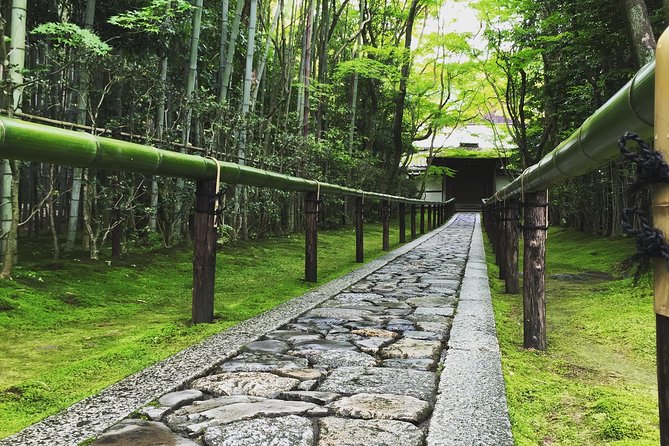
The Daitokuji temple complex offers a different kind of visit. Instead of one famous structure surrounded by a large crowd, you encounter a collection of Zen temples and spaces with a more restrained feel. The complex is a useful introduction to Kyoto’s Zen tradition, especially when the guide explains how gardens, meditation, architecture, and daily practice connect.
Not every part of a large religious complex will feel equally open or accessible at every moment, so your visit is shaped by the route and timing. Still, Daitokuji is a strong stop for anyone who wants more than the city’s most photographed buildings.
This is also where the guide’s teaching style matters. Yuta is particularly noted for making Zen Buddhism understandable without turning the visit into a lecture. Michael has been praised for storytelling, and other guides are described as able to connect history, culture, and daily customs in a clear way.
Same saddle, a different route:
- Tokyo: 3-Hour Bike or E-Bike City Highlights Tour
★ 4.8 · 435 reviews - Kyoto: Memory Kyoto E-Bike Tour
★ 4.8 · 297 reviews - Tokyo: 3-hour Guided E-Bike Tour of the City’s Hidden Gems
★ 4.8 · 251 reviews - Osaka E-Bike Tour with a Local Guide
★ 5.0 · 219 reviews
Kitano Tenmangu adds local life and Shinto tradition
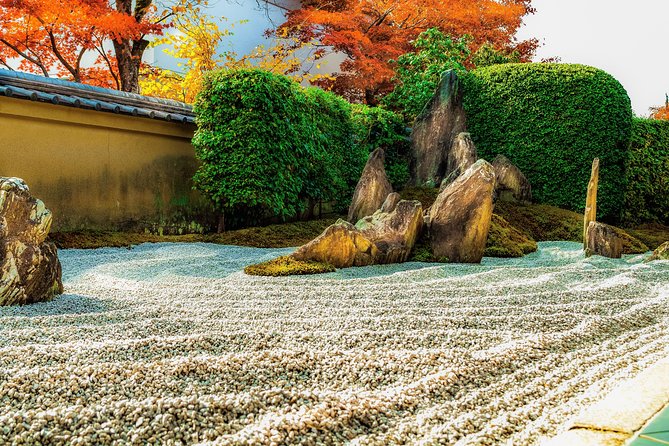
Kitano Tenmangu is a major Shinto shrine, and it brings a different set of customs and symbols into the day. You will have a chance to compare a shrine visit with the Buddhist temples you have already seen, while the guide explains the proper habits and meanings behind the setting.
That contrast is one of the tour’s strongest features. Kyoto can blur together when every stop is treated as another beautiful religious site. Here, the guide helps you notice what changes from temple to shrine, and why those differences matter.
The ride to Kitano Tenmangu is part of the appeal. Rather than spending the whole day on major avenues, you use quieter neighborhood roads. These stretches may not provide a single grand view, but they let you see the ordinary shape of Kyoto, including small streets and local scenery that a bus tour simply cannot reach.
Koto-in brings a quieter Zen pause
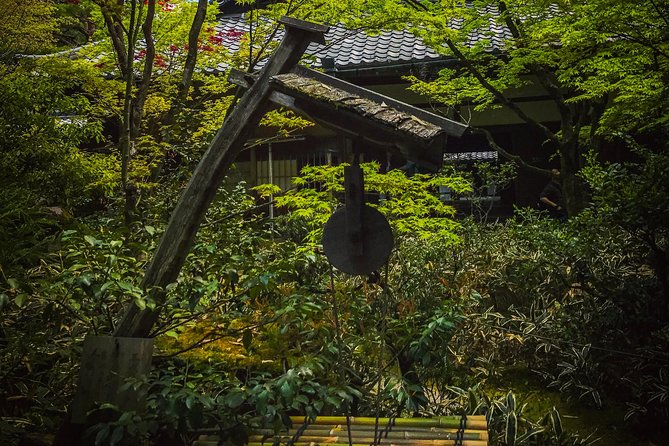
Koto-in is one of the more intimate stops on the route. Its appeal lies in calm design, garden views, and a slower sense of space. This is a place where you benefit from pausing rather than rushing through a checklist.
The tour’s Zen focus becomes more personal here. Guides may discuss the value of simplicity, stillness, and attention, giving you a better way to read the garden instead of treating it as a backdrop for photographs. Yuta, in particular, is praised for sharing his affection for Zen teachings and for explaining them in an accessible way.
Weather can affect how this stop feels. On a clear day, the garden and surrounding paths should be a highlight. In rain, the experience becomes quieter and more reflective, but you will need suitable clothing and a willingness to keep riding in damp conditions.
Zuihoin completes the cultural arc
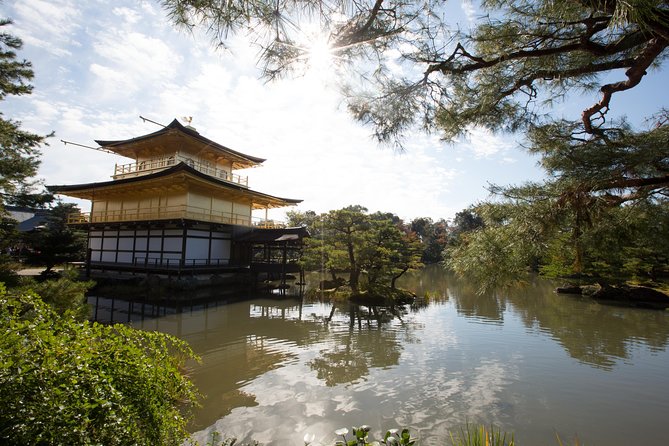
Zuihoin is another Zen setting and helps round out the tour. After the grandeur of Kinkakuji and the broader scale of Daitokuji, this stop returns you to a more focused, contemplative atmosphere.
The guide’s explanations are especially useful at a place like this because Zen gardens are easy to admire without understanding how they are meant to be viewed. The route may also include a brief Zen element or tea-related stop, depending on the group and guide. A particularly memorable part of the experience can be a tea and sweets break at a very old establishment with a long family connection, though food and drinks are not included in the tour price.
That distinction matters. You should not book this expecting a full meal or a formal tea ceremony included in the fee. Think of any refreshment stop as a charming cultural addition, and bring money if you want to buy something.
The guides are a major part of the value
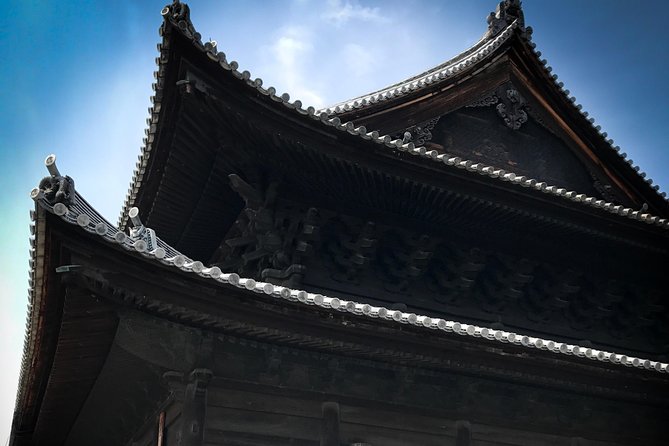
The route is good, but the guide can make the difference between a pleasant ride and a memorable one. Yuta is repeatedly singled out for strong English, warmth, and clear explanations of Zen Buddhism, Shinto, geisha history, samurai culture, temple etiquette, and Japanese customs.
Michael is described as an excellent storyteller, with a background in Japanese history teaching. Sean is praised for answering questions, handling rain and cooler weather well, and offering food recommendations afterward. Henry brings long experience living in Japan and is noted for connecting historical facts with present-day culture. Shizuka has led small groups through temples, gardens, backstreets, and hillier sections of the route.
Guide styles will vary. One possible drawback is that a very detailed storyteller can sometimes talk for longer than you would like, leaving less time to explore independently. If you prefer a quick orientation and lots of free time, say so politely at the start. If you like history, cultural explanation, and conversation, the commentary is likely to be one of the best reasons to book.
What the $116 price actually covers
At $116 per person, this is not the cheapest way to see Kyoto. You are paying more than you would for public transit and self-guided temple visits. The price includes the e-bike, helmet, water, and English-speaking route coordinator, but not food or drinks.
The value comes from the route design and the time saved. You do not need to plan how to connect five sites, figure out which bus to take, or search for quiet lanes on your own. You also get cultural interpretation and a small group rather than a large vehicle full of people.
For a first visit, the tour can replace much of the planning required for one half day. For a repeat visit, it offers access to places and streets you might not think to connect yourself. I consider the price reasonable if you value a guide and want to see a lot without exhausting yourself on foot.
Weather, clothing, and practical limits
The tour requires good weather. If NORU cancels because of poor conditions, you are offered another date or a full refund. If the forecast calls for rain but the tour still runs, bring a raincoat or poncho and weatherproof gloves if you have them. The operator can provide some rain or cooler-weather gear, but personal clothing remains the safer plan.
Wear comfortable clothes and shoes that work for cycling. The helmet is included, but food is not, so eat beforehand or plan your next meal for after the ride. The tour finishes back at the NORU meeting point, which makes onward planning easier.
You can cancel for a full refund up to 24 hours before the start time. Late cancellations, missed bookings, and changes made within 24 hours are not refundable or accepted. If you decide at the last minute that you do not want to ride, the fee is not returned.
Who should book the Hidden Kyoto E-Biking tour?
I would recommend this tour to active adults, families with teenagers aged 13 or older, and anyone who wants a calmer view of Kyoto without giving up its famous sights. It is also a good choice if you are nervous about hills but comfortable enough to ride a bicycle, since the electric assistance reduces the strain.
It suits curious visitors who enjoy learning how places fit together. The strongest part is not simply seeing five temples and shrines. It is understanding the difference between them, hearing stories about Japanese culture, and moving through the city at street level.
I would think twice if you cannot ride a bicycle, dislike outdoor activities, or want long stretches of independent time at each temple. You are expected to participate in the ride, and no refund is given if you choose not to take part.
Should you book it?
Book this tour if you want Kyoto’s famous sights plus quiet lanes, Zen gardens, and useful cultural context in one well-planned half day. The small group, e-bike assistance, and strong guide roster make the $116 price easier to justify.
Skip it if your priority is a low-cost temple day or a completely private schedule. For everyone else, especially first-time visitors who want to get their bearings fast without being pushed through a crowded bus route, this is a smart and active way to see northern Kyoto.
FAQ
How long does the Hidden Kyoto E-Biking tour last?
The tour lasts approximately 3 hours and 45 minutes.
How far do you ride?
The ride is listed as roughly 7 to 8 kilometers, or about 4.3 to 4.9 miles.
What is included in the price?
The price includes an English-speaking route coordinator, rental e-bike, helmet, and water. Food and drinks are not included unless specified.
What is the minimum age?
The minimum age is 13.
Where does the tour begin and end?
The tour begins and ends at NORU Kyoto Bike Tours, 429-22 Takigahanacho, Kamigyo Ward, Kyoto, 602-8336, Japan.
What happens if bad weather cancels the tour?
If the operator cancels because of poor weather, you can choose another date or receive a full refund.
New e-bike tours around Japan
- Ride around the Castle. Slurp like a Local★ 5.0 · 5 reviews
- 3 Hours E Bike Tour around Chiyoda Tokyo Prefecture★ 5.0 · 2 reviews
- Half Day Private Rural E-Bike Tour in Hida★ 5.0 · 101 reviews
- 3-Hour Tokyo Private E-Bike Tour Starting from Your Hotel★ 5.0 · 117 reviews
- Tokyo: 3h Private E-bike Tours, Starting at Your Hotel★ 5.0 · 36 reviews
- Historical Kyoto E-Bike Tour★ 5.0 · 181 reviews
- Arashiyama Bamboo Forest E-Biking Tour★ 5.0 · 183 reviews
- Pedal Adventure Kyoto’s iconic landmarks on an e-bike tour★ 5.0 · 189 reviews
Kyoto E-Bike Tours, side by side.

5 Top Highlights of Kyoto Full Day Bike Tour (E-bike option)
Read our review →
Hidden Gems E-Bike Tour with Local Japanese Guide
Read our review →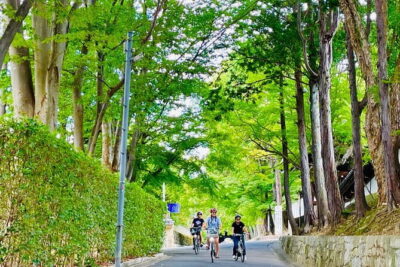
Pedal Adventure Kyoto’s iconic landmarks on an e-bike tour
Read our review →
This ride also appears in