
Review · SEOUL
Seoul E-bike Tour
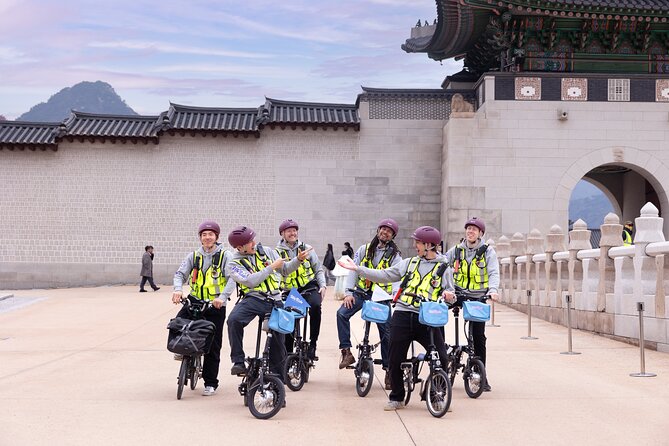
Seoul’s best introduction may come on two wheels. This three-hour e-bike ride links palace gates, old neighborhoods, a traditional market, the Blue House, Bukchon Hanok Village, and Jogyesa Temple without asking you to walk every hill. The early timing also helps you see the historic core before traffic and crowds build.
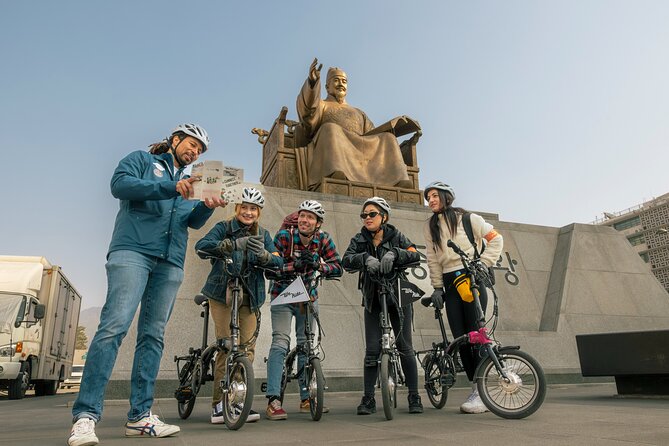
I especially like the small-group format, which lets guides such as TJ, Harry, Vincent, Jun, Taejin, and Hagar give personal help and keep the ride orderly. I also like the local-market stop, where you sample Korean snacks instead of simply stopping for a photo. The main consideration is pace: most stops are short, so this is an overview rather than a deep visit inside each attraction.
Key points to know before you book
- Gyeongbokgung Palace and the changing of the guard: With good timing, you may catch the ceremony and see one of Seoul’s most important gates.
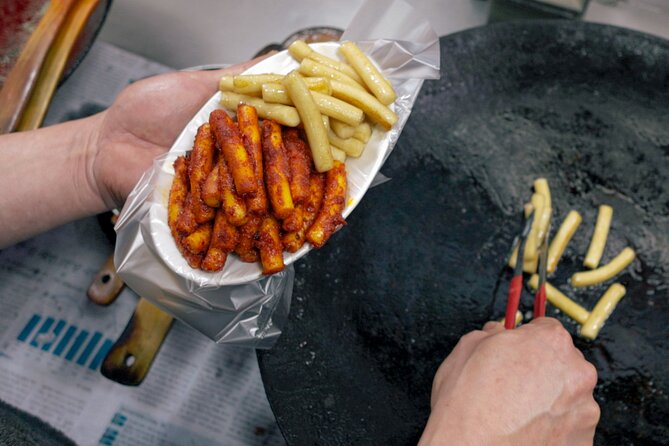
- Tongin Market snacks: The food stop adds a local taste, including rice cakes and tteokbokki, rather than another standard sightseeing pause.
- Electric assistance for Seoul’s hills: The bikes make Bukchon and other slopes manageable without turning the morning into a hard workout.
- Quiet streets and bike lanes: The route is planned to avoid much of the heaviest traffic and reach small alleys that buses cannot use.
- Photos from the guides: Guides often take pictures during the ride and send them afterward, so you can stay present instead of managing your camera.
- A useful first-day orientation: You cover a broad slice of central Seoul, then can return later to the places that deserve more time.
Why an e-bike works so well in central Seoul
Seoul covers a lot of ground. Gyeongbokgung Palace, Seochon, Bukchon, the Blue House, and Jogyesa Temple sit close enough to connect, but not always close enough to make a comfortable walking circuit in a few hours.
The e-bike solves that problem. You pedal normally, with electric assistance helping on hills and longer stretches. The ride is intended for people with a moderate level of fitness, not serious cyclists. Several people in the group may range widely in age, and the electric help keeps the outing accessible without removing the fun of riding.
I would not book this expecting a long, fast cycling workout. The point is efficient sightseeing. You move from one district to another, get short explanations at each stop, and use the bike to see more than you could on foot.
The route also makes practical use of Seoul’s side streets. Guides lead from the main sights through quieter lanes and bike-friendly sections, sometimes passing small local businesses and tucked-away corners that a coach tour cannot reach. You still ride in a busy capital, so you need to follow instructions and remain alert, but the front and back guides help manage the group.
More e-bike tours around the world:
- 3-Hour Porto Highlights on a Electric Bike Guided Tour
★ 5.0 · 4,392 reviews - Lisbon: Hills, Alfama, and Mouraria Tour by Electric Bike
★ 4.8 · 3,438 reviews - Athens Scenic Electric Bike Tour with optional Acropolis visit
★ 5.0 · 3,350 reviews
Arrive early at Jongno Town
The meeting point is We Ride Korea Bicycle Tours and Rentals at Le Meilleur Jongno Town, 19 Jong-ro in Jongno District. You need to arrive 20 to 30 minutes before departure.
That extra time is not filler. The team fits your bike, explains safe riding, provides a helmet and vest, and makes sure you understand how the electric assistance works. The actual riding time is advertised separately, so plan on more than three hours from arrival to finish.
The tour is limited to a maximum of 15 people. Groups can be smaller, and the difference matters. A compact group is easier to guide through city streets and lets you ask a question without holding up a large crowd.
Bring a reusable water bottle. Water is not included, though the company says you can buy a bottle before the ride, and one route includes a refill station. Comfortable clothes and shoes make sense, especially if you plan to continue exploring on foot afterward.
Cheonggyecheon Stream: a quick look at Seoul’s old waterway
The first short stop is Cheonggyecheon Stream. Once a main waterway through the city, it now provides a calm corridor through central Seoul.
You get about 10 minutes here. That is enough for a brief explanation and a look, not enough for a long stroll beside the water. I see this stop as a scene-setter. It helps you understand how Seoul’s central districts have changed, while giving the group an easy start before the historic sights arrive.
Gyeongbokgung Palace and the changing of the guard
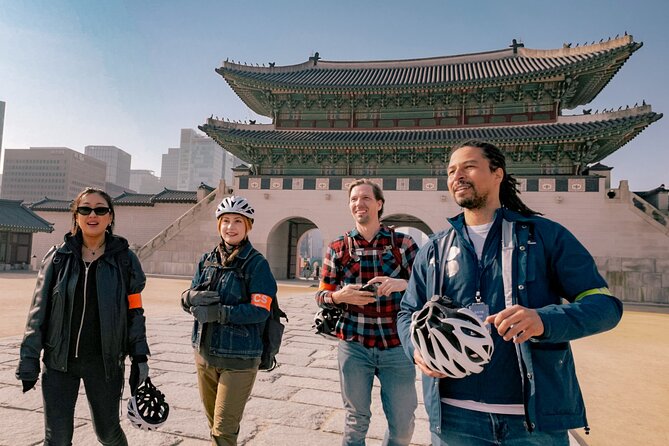
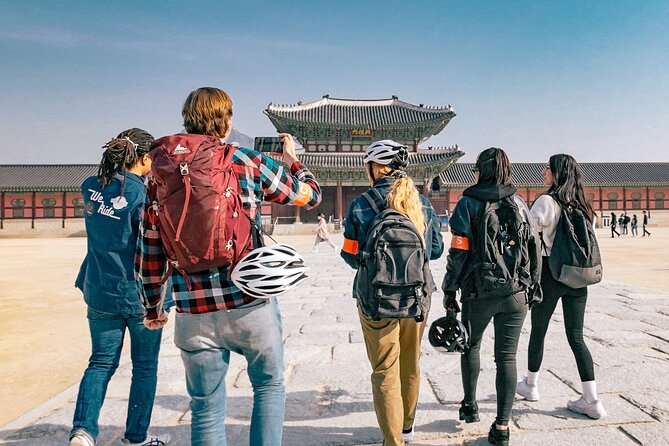
Gyeongbokgung is one of the essential Seoul sights. The tour stops at the gate of the city’s oldest palace complex, giving you a strong photo opportunity and a short introduction to the royal setting.
The palace stop lasts around 10 minutes, and admission is not included. The route does not promise a full palace visit, so you should not expect time to explore the courtyards, halls, and museum at leisure. If Gyeongbokgung is high on your list, return later with a separate admission ticket.
Timing can add real value here. Guides have brought groups in time to see the changing of the guard, sometimes from a good viewing position. This depends on the schedule and the day of your tour, so treat it as a possible bonus rather than a guarantee.
The brief stop works well for a first look. You see the grand entrance, hear the basic story, and save a longer palace visit for a time when you can move at your own pace.
Same saddle, a different route:
- Porto: City Highlights 3-Hour Guided Electric Bike Tour
★ 4.8 · 3,092 reviews - Red Rock Canyon eBike Half-Day Tour
★ 5.0 · 1,870 reviews - Hidden Kyoto E-Biking tour
★ 5.0 · 1,843 reviews - Rome EBike Tour: Appian Way, Catacombs & Roman Aqueducts
★ 5.0 · 1,766 reviews
Tongin Market and Korean snacks
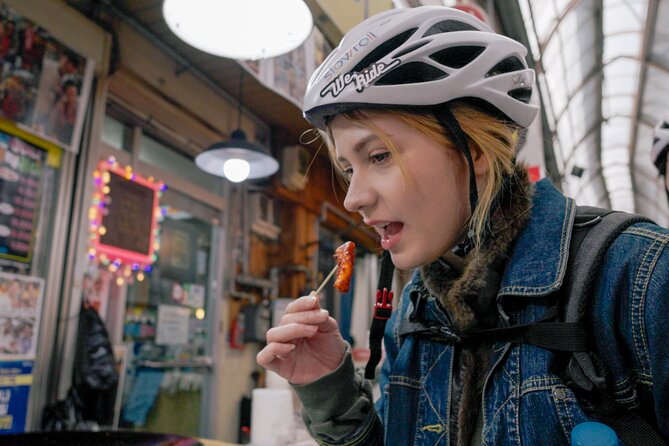
Tongin Market is where the tour becomes more than a sightseeing loop. You stop to try Korean street food selected by the local guides, with tteokbokki and several kinds of rice cakes among the foods enjoyed on the route.
The market visit lasts about 10 minutes, so this is a tasting stop, not a full meal. Lunch is not included. You should plan to eat separately before or after the tour if you need something substantial.
That short snack break still matters. Food gives you a quick sense of daily Seoul that a palace gate cannot provide. The guides can point you toward local specialties and help you understand what you are tasting. Vegetarian or vegan snack options have also been provided on some tours, but you should confirm current choices if dietary restrictions matter.
I would treat Tongin Market as an appetite starter. If you find something you like, you can return later and spend more time eating.
Seochon, old defenses, and a possible warm drink
From Tongin Market, the route heads through Seochon, one of the older neighborhoods near Gyeongbokgung. You see remnants of the city’s defenses and pass through the oldest surviving gate in the city wall.
The stop is about 10 minutes. There may also be an optional hot drink and a short walk. This is one of the places where the e-bike pays off. Seochon and the nearby older districts are more enjoyable when you can move between them without spending the whole morning climbing streets.
Do not expect a museum-style history lesson at every pause. The tour gives you useful context in small portions, then gets you moving again. If you enjoy old lanes, architecture, and the connection between Seoul’s royal center and its residential neighborhoods, this section will likely be one of your favorites.
The Blue House and the modern side of power
The route continues to the Blue House, the former presidential residence. The stop helps connect Seoul’s royal past with its more recent political history.
You get about 10 minutes here. The tour description does not promise an interior visit, so plan on seeing the site from the route and hearing about its role rather than touring the building at length.
This is a good example of the tour’s overall design. You are not staying in one attraction long enough to examine every detail. Instead, you are building a mental map of Seoul’s central districts, from royal palace to presidential compound to traditional neighborhoods.
Bukchon Hanok Village and the climb
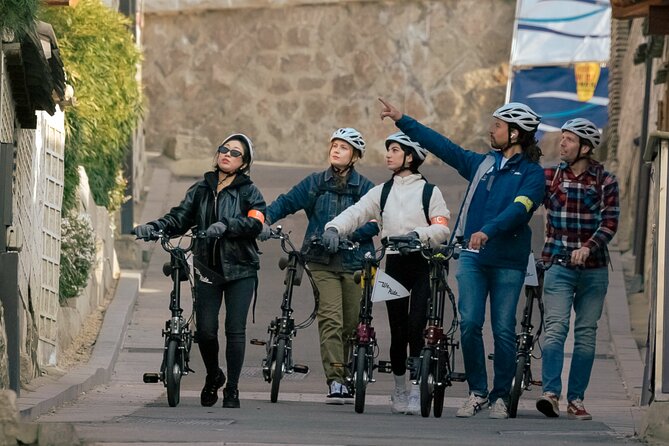
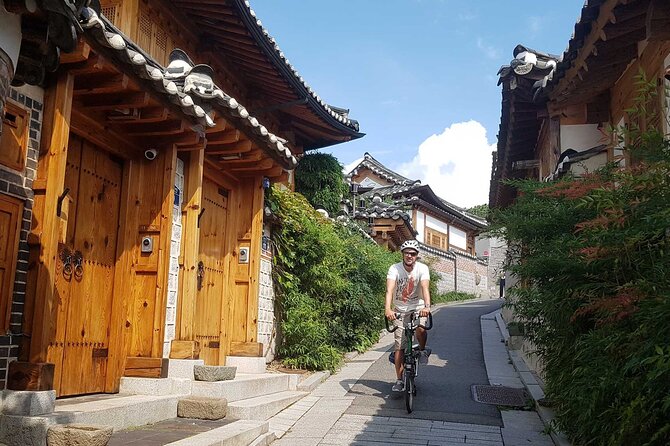
Bukchon Hanok Village is the most scenic stop on the route. Its traditional hanok homes line hilly streets between the old palace areas, creating one of Seoul’s most recognizable views.
You stop for about 15 minutes to take photographs. The e-bike helps on the hills, but it does not erase the need for care. Bukchon is a lived-in neighborhood, and the route involves narrow streets and slopes. Follow the guide, ride slowly, and remember that residents live among the famous buildings.
The short visit is enough for a picture and a sense of the area. It is not enough to explore every lane or browse at length. I like that limitation here because it keeps the group moving and avoids turning the tour into a long stop in a residential area.
If Bukchon interests you, mark it for a return visit on foot. The bike tour gives you the orientation. Your later walk can focus on architecture, shops, and viewpoints without the pressure of staying with the group.
Jogyesa Temple provides a quieter finish
Jogyesa Temple closes the sightseeing loop with a calmer atmosphere. The temple is a working Buddhist site in central Seoul, and its quiet grounds offer a useful change after roads, markets, and palace crowds.
You have about 15 minutes here. That is enough to look around, take in the setting, and hear an introduction from the guide. As with the other stops, it is a taste rather than an extended visit.
Ending at Jogyesa makes sense. The ride begins with a city waterway and royal landmarks, passes through food and residential districts, and finishes at a spiritual site. You get several sides of Seoul in one morning without spending the whole time inside a vehicle.
Guides, safety, and the group experience
The guides are a major part of the value. Names associated with the tours include TJ, Harry, Vincent, Jun, Taejin, Hagar, and Limmi, though your guide depends on the departure date.
The strongest guide service combines clear history with practical care. Guides have helped riders stay together, positioned the group safely, suggested places to eat afterward, and explained how to reach the next destination. Some also take photos throughout the outing and send them to you later.
That photo service is a small but useful touch. You can pay attention to the street, the palace, and the food instead of stopping every few minutes to photograph yourself. It also gives solo visitors and couples a better chance of appearing in the pictures.
Safety equipment includes a helmet and vest, and comprehensive insurance is included. You still need a moderate level of fitness and the ability to ride a bicycle. The e-bike makes the effort easier, but it does not replace basic balance, braking, or awareness in city traffic.
Is $120 a fair price?
At $120 per person, this is not Seoul’s cheapest way to see the sights. You can walk around many of these districts for little money, and public transportation is affordable.
The price makes more sense if you value time, guidance, bike rental, safety equipment, insurance, snacks, and the chance to cover several districts in one morning. You are also paying for route planning. A guide who knows how to connect the sights using bike lanes and quieter streets can save you the hassle of working out the route yourself.
The value is strongest for a first visit, a short stay, or a day when you want an overview before choosing where to return. It is weaker if you prefer long museum visits, slow meals, or independent wandering.
The tour includes the e-bike, helmet, vest, insurance, guide, and market snacks. It does not include lunch, palace admission, or water. The activity ends back at the original meeting point, which makes it easy to continue from Jongno afterward.
Who should book this ride?
I would choose this for you if you want to see a lot of central Seoul without committing to a full-day bus tour or a strenuous walking route. It suits first-time visitors, couples, families with confident older children, solo visitors, and anyone who likes learning a city through its streets.
It also works well at the start of a Seoul stay. After three hours, you will know where Gyeongbokgung, Seochon, Bukchon, Tongin Market, the Blue House, and Jogyesa sit in relation to one another. That makes later exploring much easier.
You should think twice if you dislike cycling, feel uneasy around city traffic, need long periods inside each attraction, or want a large meal included. The tour is active and fairly brisk, with short stops and a route built for coverage.
The tour requires good weather. If poor weather forces cancellation, you are offered another date or a full refund. You can cancel for a full refund up to 24 hours before the start time. Any later cancellation or change is not refundable.
Should you book the Seoul E-bike Tour?
Book it if you want a lively, efficient introduction to historic Seoul and like the idea of moving through the city rather than simply checking off buildings. The e-bikes make the hills manageable, the market snacks add a local touch, and the guides bring useful timing, safety, photos, and neighborhood knowledge.
Do not book it as a substitute for visiting Gyeongbokgung or Bukchon in depth. Use it as your city orientation. Arrive early, bring water, wear comfortable clothes, and leave room in your schedule to return to the places that catch your interest.
FAQ
How long does the Seoul E-bike Tour last?
The riding experience lasts about three hours. You must arrive 20 to 30 minutes before the scheduled start for bike fitting, safety instructions, and preparation.
Where does the tour begin and end?
It begins at We Ride Korea Bicycle Tours and Rentals at Le Meilleur Jongno Town, 19 Jong-ro, Jongno District, Seoul. The activity ends back at the same meeting point.
What is included in the tour price?
The price includes use of an e-bike, helmet, safety vest, comprehensive insurance, a local guide, and Korean snacks from the traditional market visited during the tour.
Is lunch included?
No. Lunch is not included, and the market stop is a snack tasting rather than a full meal.
Do I need to bring water?
Yes. You must bring a reusable water bottle or buy one from the company before the tour. A refill station is available along the route.
How many people can join the tour?
The maximum group size is 15 people. The tour may operate with fewer riders.
Do I need to be very fit?
You should have a moderate level of physical fitness and be able to ride a bicycle. The electric assistance helps with the hills and reduces the effort needed.
Is palace admission included?
No. Admission tickets are not included. The tour stops at Gyeongbokgung Palace and its gate, but it is not a full palace visit.
What happens if the weather is poor?
The experience requires good weather. If the company cancels because of poor conditions, you can choose another date or receive a full refund. Free cancellation is available up to 24 hours before the start time.
New e-bike tours around the world
- Franschhoek: Private E-bike Ride & Wine Experience★ 5.0 · 6 reviews
- Franschhoek: E-Bike & Wine Tour (Shared Tour)★ 5.0 · 10 reviews
- Franschhoek: Explore The Valley Of Dreams With E-Bikes★ 5.0 · 7 reviews
- Frankfurt: Unique E-Bikes Tours★ 4.8 · 22 reviews
- Forte Dei Marmi: E Bike Tour and hidden gems with a local★ 4.7 · 3 reviews
- Private E-Bike Tour: Piazzale Michelangelo & Florence hills★ 5.0 · 5 reviews
- eBike Guided Tour of Fort Worth★ 5.0 · 4 reviews
- Formentera: discover our fast ferry + electric bike package.★ 4.4 · 51 reviews