
Review · KYOTO
Arashiyama Bamboo Forest E-Biking Tour
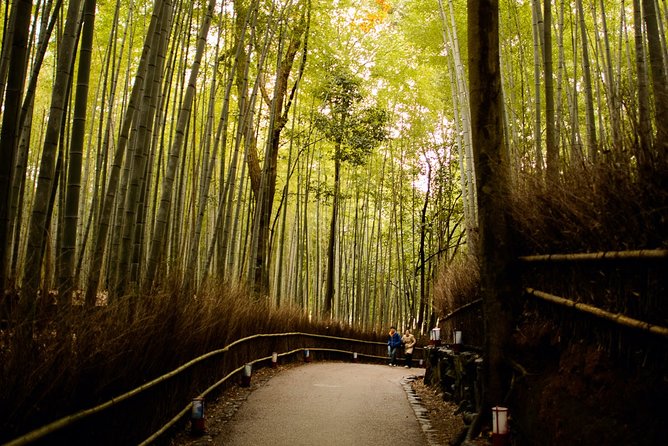
The best part of this Kyoto outing is that the bamboo grove is only one piece of the day. You pedal through quieter roads, countryside, temple grounds, and parts of Arashiyama that are easy to miss on foot. The 25-kilometer route lets you see much more than a standard bamboo forest visit.
I like the small maximum of eight people, which gives guides such as Yuta, Michael, Sean, and Henry room to answer questions and adjust the pace. I also like the electric assistance, especially on Kyoto’s hills and during a four-hour ride. The main concern is simple: this is still a real bike tour. If you are not comfortable cycling for 25 kilometers, sharing roads with cars, or handling crowded paths, choose a shorter walking visit instead.
Key points to know before booking
- The bamboo grove is a short part of a larger route: You also visit Otagi Nenbutsu-ji, Tōji-in, and quieter areas around western Kyoto.
- Electric assistance reduces effort, not riding time: You still cycle for about four hours and cover roughly 25 kilometers.
- The group is capped at eight people: This makes it easier to hear the guide and ask for help.
- The route includes hills and mixed riding: You may share roads with cars and paths with many pedestrians.
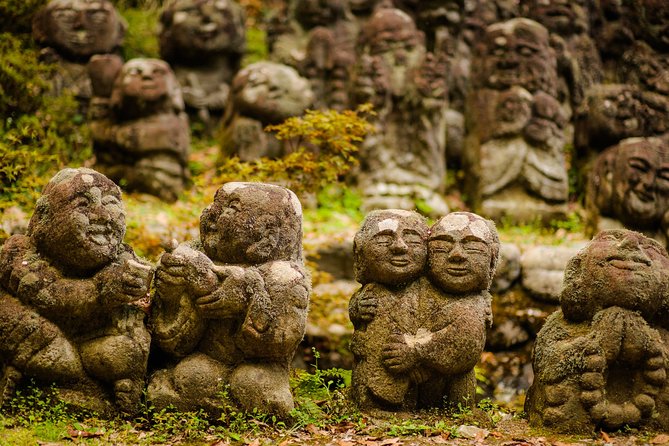
- Otagi Nenbutsu-ji is a major highlight: Its 1,200 stone figures include playful, expressive faces.
- Plan for weather and comfort: The tour can be canceled for poor weather, and gloves or a neck scarf can make a cold ride far more pleasant.
Why this tour sees more of Kyoto than a bamboo grove visit
Arashiyama is one of Kyoto’s most famous areas, but many short visits stop at the bamboo path, take a few photos, and leave. This tour uses the grove as one stop on a much wider circuit. That changes the feel of the day.
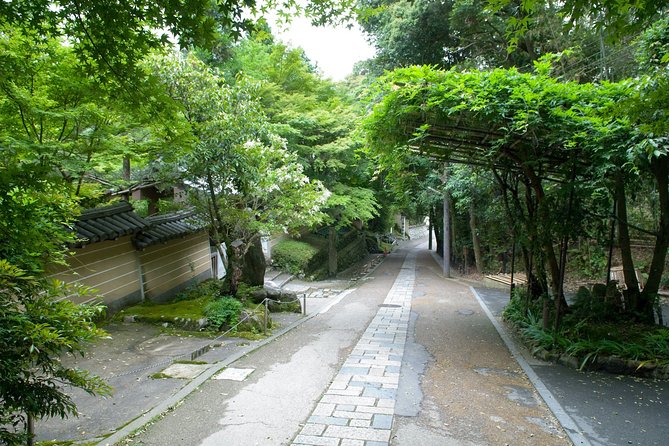
You get the postcard view, but you also ride through ordinary streets, rural stretches, temple grounds, and less-visited corners. The electric bike makes that range practical. You are not spending the afternoon fighting a heavy bicycle up every slope, yet you still get the rhythm of moving through Kyoto under your own power.
The route takes about four hours and fifteen minutes, including stops. It begins at 1:00 pm at NORU Kyoto Bike Tours in Kamigyo Ward and returns to the same meeting point. Since the start and finish are in the same place, you do not need to arrange a separate pickup at Arashiyama.
The $116 price is not a bargain in the narrow sense. It is more than paying for a bike rental and visiting temples on your own. But the cost includes the electric bike, helmet, temple fees, snacks, and a guide who leads you through a route that would take time to plan. For a first visit to Kyoto, I see the value in covering several areas efficiently while getting historical and cultural context along the way.
More e-bike tours around Japan:
- Hidden Kyoto E-Biking tour
★ 5.0 · 1,843 reviews - Tokyo Top Highlights 3h Guided E-bike Tour
★ 5.0 · 714 reviews - 3h Tokyo E-Bike Tour: Hidden Gems, and Local Life with guide
★ 5.0 · 670 reviews
Starting out with an electric bike
You need to be at ease on a bicycle before you arrive. The pedal assistance helps you move uphill and reduces the effort of a long ride, but it does not replace cycling skills. You will still steer, brake, start and stop, and pay attention to traffic and pedestrians.
The route includes some hills. With the electric assistance, these are manageable for confident riders, but you should not mistake the tour for a casual five-minute spin. The operator specifically sets this up for people who can ride for four hours and cover 25 kilometers.
A few practical points matter:
- You must be at least 15 years old.
- A moderate level of physical fitness is required.
- Previous cycling experience is useful because some roads carry car traffic.
- Parts of the route may include busy pedestrian areas.
- You should be comfortable riding for the full distance.
- The tour is not suitable for someone who cannot cycle 25 kilometers.
The bikes are generally described as easy to operate and in good condition. Still, one ride included a battery problem, and one short rider found the bike difficult to fit. That does not mean you will have the same issue, but it is worth raising your height and bike-fit concerns before setting off. If you are around 5 feet tall, stopping and placing both feet down may require extra care.
The saddle can also become noticeable after several hours. I would wear practical clothes, bring water, and dress for the forecast rather than assuming the motor will make the ride effortless.
Otagi Nenbutsu-ji and its 1,200 stone figures
Otagi Nenbutsu-ji is one of the most memorable stops because it feels so different from Kyoto’s best-known temple grounds. It sits away from the main crowds and is known for a large collection of small Buddhist statues.
The figures have varied expressions. Some appear to laugh, smile, frown, or make playful faces. That gives the visit a lighter tone than the solemn temple settings you may see elsewhere in Kyoto. Guides point out funny details and explain the setting, so this is not just a quick photo stop.
You have about 45 minutes here. That is enough time to look carefully at the statues and hear the guide’s explanation without turning the visit into a rushed walk-through. It is also a good example of what the bicycle makes possible: you reach a temple many first-time visitors skip, then continue without spending the whole afternoon on trains and buses.
This stop is especially useful if you want more than Kyoto’s most photographed scenes. The bamboo grove has its own appeal, but Otagi Nenbutsu-ji may give you a stronger memory because of its unusual character.
Tōji-in, moss, and a slower temple pause
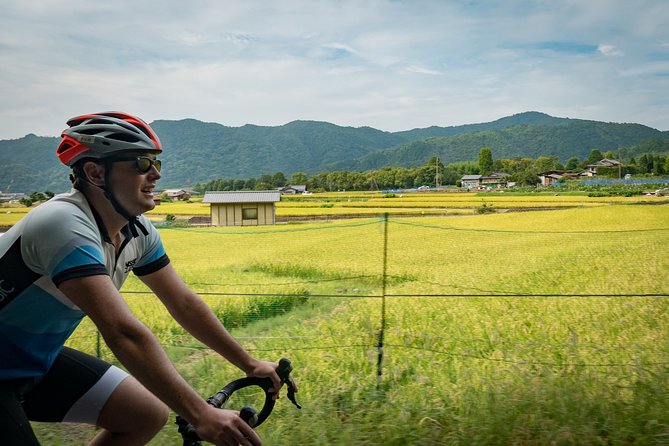
The visit to Tōji-in lasts about 30 minutes. The temple is presented as a quiet, contemplative place with moss-covered grounds and a calmer mood than the city streets.
This short stop creates a useful change of pace. After riding, you park the bikes and walk through the temple area. You are not simply collecting landmarks. You get a brief period to slow down, look at the grounds, and listen to the guide explain the religious and cultural setting.
Some outings may include a short Zen session or meditation at a temple, depending on the day and the guide. That detail is not guaranteed as a formal part of every departure, so I would treat it as a possible extra rather than the central reason to book.
Tōji-in also shows why a guide adds value here. Temple names and Buddhist traditions can blur together during a busy Kyoto trip. A good guide gives each place a clear identity and helps you understand why the setting matters.
Same saddle, a different route:
- 5 Top Highlights of Kyoto Full Day Bike Tour (E-bike option)
★ 5.0 · 511 reviews - Tokyo: 3-Hour Bike or E-Bike City Highlights Tour
★ 4.8 · 435 reviews - Kyoto: Memory Kyoto E-Bike Tour
★ 4.8 · 297 reviews - Tokyo: 3-hour Guided E-Bike Tour of the City’s Hidden Gems
★ 4.8 · 251 reviews
Walking the Arashiyama Bamboo Forest
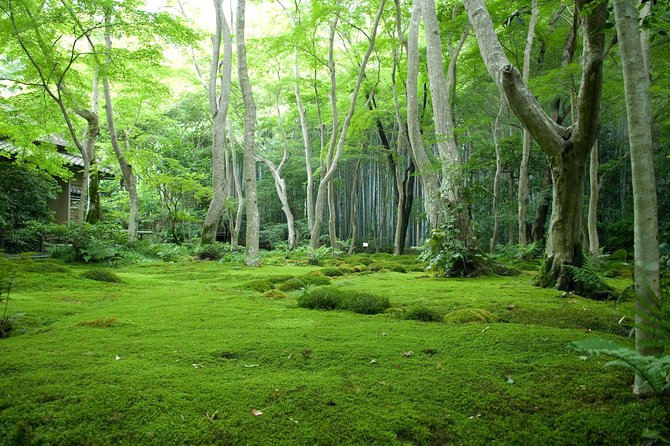
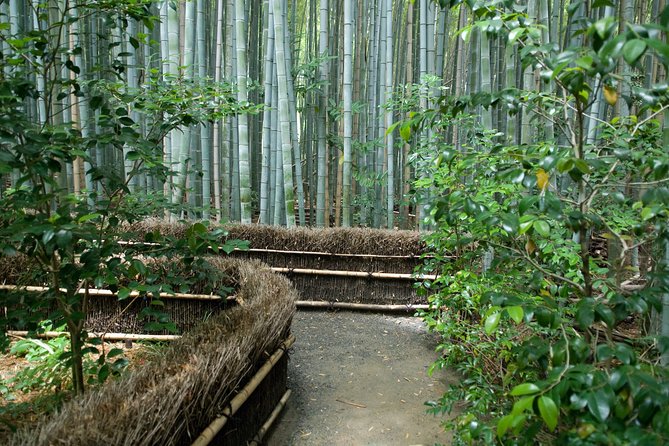
The famous bamboo grove is visited on foot, not from the saddle. You park the bicycles and spend about 30 minutes walking part of the bamboo forest trail.
That timing is practical but limited. Arashiyama can be crowded, and the stop is designed as one piece of a larger tour rather than a long, quiet meditation among the bamboo. If the grove is your top priority, arrive early on another day for a fuller visit. The afternoon stop gives you a look at the attraction, but it may not provide much solitude.
The benefit is that you do not have to choose between the bamboo forest and the rest of western Kyoto. You get the famous path, then return to the bike and continue through areas many visitors never reach.
Bring your camera, but keep your expectations realistic. The grove is photogenic, yet the most familiar sections can be crowded. The tour’s wider route is the better reason to book, while the bamboo trail is an important bonus.
The countryside is part of the attraction
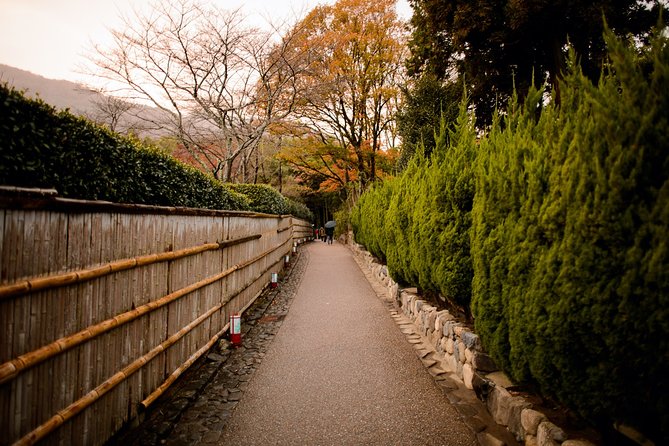
The stretches between the official stops are not empty travel time. Riding through Kyoto lets you notice the change from urban streets to quieter roads and open countryside. You see the city at a human pace, with time to notice buildings, fields, neighborhood streets, and passing scenery.
This is also where the guides earn their fee. Yuta is praised for warmth, humor, cultural explanations, and even leading a Zen session on one departure. Michael is described as an engaging guide who adds historical detail and offers useful restaurant suggestions after the ride. Sean is known for clear explanations, humor, bilingual communication, and a carefully planned route. Henry brings a friendly style and strong knowledge of Kyoto’s sites and customs.
The exact guide depends on the date, so you should not book on the assumption that one particular person will lead your group. Still, the repeated pattern is clear: the guide is central to the experience. You are not simply following a GPS route.
The small group helps here. With a maximum of eight people, the guide can usually keep the group together, explain a temple without shouting, and respond to individual questions. A group of seven has been described as easy to manage, with no one left behind.
What the 25 kilometers really mean
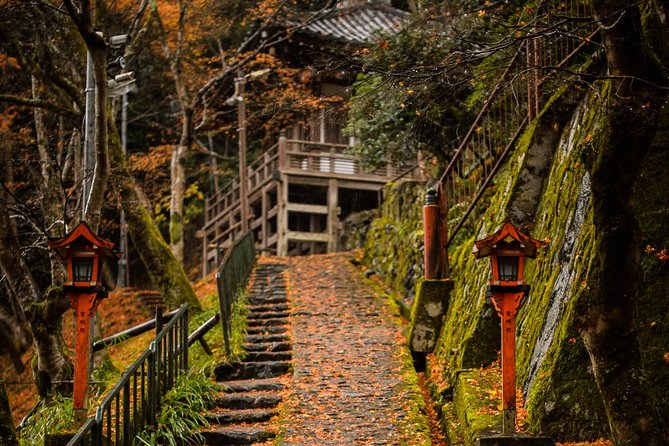
Twenty-five kilometers sounds modest if you regularly cycle, but it can feel long after several hours in the saddle. The electric motor takes away much of the strain on hills, yet your legs, back, and seat still know you have been riding.
You will probably enjoy this tour most if you already ride a bicycle at home or have recently spent time on one. The route is not meant for someone who has not cycled in years and hopes the motor will solve every problem. One rider who had not ridden for a long time found the saddle uncomfortable, which is a useful warning.
You also need road awareness. Parts of the route use roads shared with cars, and other sections pass through areas with many people on foot. The guide gives instructions and keeps the group together, but you remain responsible for braking, steering, and watching what is ahead.
The ride is not a race. The point is to cover ground without exhausting yourself, then stop for temples, photos, snacks, and the bamboo trail. If you need frequent breaks or are unsure about your balance, ask about the physical demands before booking.
Weather, clothing, and timing
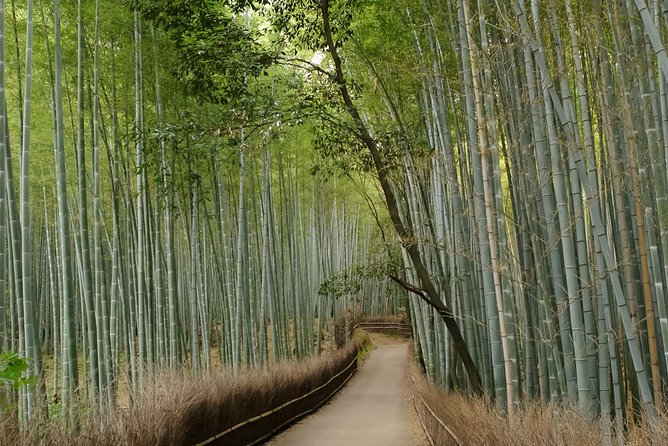
The departure is at 1:00 pm, so you will be riding through the afternoon. This can work well if you want a morning temple visit or a relaxed start, but it is not the best setup for seeing the bamboo grove at its quietest.
Weather matters. The tour requires good conditions and may be canceled if the weather is poor. In that case, you are offered another date or a full refund. On a cool or wet day, the ride can feel much colder than walking because you are moving through the air for several hours.
For winter or damp weather, bring gloves and a neck scarf. One cold-weather ride at around 5 degrees Celsius with light drizzle was made easier by warm clothing, hot tea, and adjustments to the schedule. You should not count on every departure having exactly the same pauses, but the lesson is useful: dress for the bike, not just for a temple visit.
The tour includes snacks, and some outings have included ice cream. These are welcome touches during a long ride, but they are not a substitute for planning your own comfort. Wear shoes suited to walking and cycling, and avoid clothing that restricts movement.
Who gets the most from this Kyoto tour
I would recommend this for an active first-time visitor who wants to see more of Kyoto in one afternoon. It suits people who enjoy moving between places, asking questions, and seeing a mix of famous and quieter sites.
It is also a good choice if long walking days are hard on your feet. The bike carries you between stops, and the pedal assistance reduces the effort compared with a standard bicycle. You still walk at the temples and bamboo grove, but you avoid making every connection on foot.
Families with older teenagers may enjoy it, since the minimum age is 15. The small group and guides’ humor can make the history easier to follow, especially for children who would lose interest in a series of formal temple visits.
I would hesitate to recommend it to someone focused almost entirely on the bamboo forest. The grove visit is about 30 minutes and can be crowded. I would also suggest another plan for anyone who is nervous on a bicycle, has not ridden in years, or cannot manage 25 kilometers.
Booking, cancellation, and the final call
You can cancel for a full refund if you do so at least 24 hours before the 1:00 pm start time. Changes or cancellations inside that window are not accepted, and missing the tour or arriving late is non-refundable. If you choose not to ride after booking, you should not expect a refund.
Because the activity depends on weather and a minimum number of participants, it can be canceled by the operator. You are then offered another date or another activity, or you can receive a full refund.
Should you book the Arashiyama Bamboo Forest E-Biking Tour?
Book it if you want a broad look at western Kyoto, not just a photograph in the bamboo grove. The combination of Otagi Nenbutsu-ji, Tōji-in, countryside roads, and Arashiyama gives you a fuller afternoon than a simple attraction visit.
Skip it if your cycling ability is uncertain or if you want a slow, unhurried bamboo forest morning. For confident riders, the $116 price is reasonable because it covers the bike, helmet, temple fees, snacks, and four hours of guiding in a small group. The electric assistance makes the distance practical, but you still need to arrive ready to ride.
FAQ
How long does the Arashiyama E-Biking Tour last?
The tour lasts approximately 4 hours and 15 minutes.
How far do you ride?
The route covers about 25 kilometers.
What time does the tour start?
The scheduled start time is 1:00 pm.
Where does the tour begin?
It begins at NORU Kyoto Bike Tours, 429-22 Takigahanachō, Kamigyo Ward, Kyoto, 602-8336, Japan.
Where does the tour end?
The tour ends back at the original meeting point.
What is included in the price?
The tour includes an electric bicycle, helmet, temple fees, and snacks.
How many people can join the tour?
The maximum group size is eight people.
What age do you need to be?
You must be at least 15 years old.
Do I need to be physically fit?
You need a moderate level of fitness and must be comfortable cycling 25 kilometers for about four hours.
Is the bamboo forest the only stop?
No. The route also includes Otagi Nenbutsu-ji Temple and Tōji-in Temple, along with cycling through urban and countryside areas.
Can I cancel for a refund?
You can receive a full refund if you cancel at least 24 hours before the experience begins. Cancellations made less than 24 hours in advance are not refunded.
What happens if bad weather cancels the tour?
You are offered a different date or a full refund if the operator cancels because of poor weather.
New e-bike tours around Japan
- Ride around the Castle. Slurp like a Local★ 5.0 · 5 reviews
- 3 Hours E Bike Tour around Chiyoda Tokyo Prefecture★ 5.0 · 2 reviews
- 3-Hour Tokyo Private E-Bike Tour Starting from Your Hotel★ 5.0 · 117 reviews
- Tokyo: 3h Private E-bike Tours, Starting at Your Hotel★ 5.0 · 36 reviews
- Half Day Private Rural E-Bike Tour in Hida★ 5.0 · 101 reviews
- Historical Kyoto E-Bike Tour★ 5.0 · 181 reviews
- Kyoto: Hidden Gems E-Bike Tour with Local Japanese Guide★ 4.9 · 189 reviews
- Pedal Adventure Kyoto’s iconic landmarks on an e-bike tour★ 5.0 · 189 reviews
Kyoto E-Bike Tours, side by side.
5 Top Highlights of Kyoto Full Day Bike Tour (E-bike option)
Read our review →
Hidden Gems E-Bike Tour with Local Japanese Guide
Read our review →
Pedal Adventure Kyoto’s iconic landmarks on an e-bike tour
Read our review →
This ride also appears in