
Review · SIEM REAP
From Siem Reap: Angkor Wat Sunrise and Temples E-Bike Tour
Angkor Wat at sunrise is the main event, but the best part of this nine-hour outing may come afterward, when you leave the tour buses behind and ride an e-bike through forest roads and lesser-used temple entrances. Guides such as August, Ho, Raman, and Sa add plenty of history, photo help, and local context.
I like the local breakfast in Preah Dak village, with Khmer rice noodles, palm cake, and steamed rice dumplings. I also like the practical support: the tuk-tuk follows while you ride, carries bags, blocks traffic when needed, and supplies cold water and towels. The drawback is the 4:40 am pickup and a long sunrise wait, plus the separate $37 Angkor pass.
Key points to know before booking
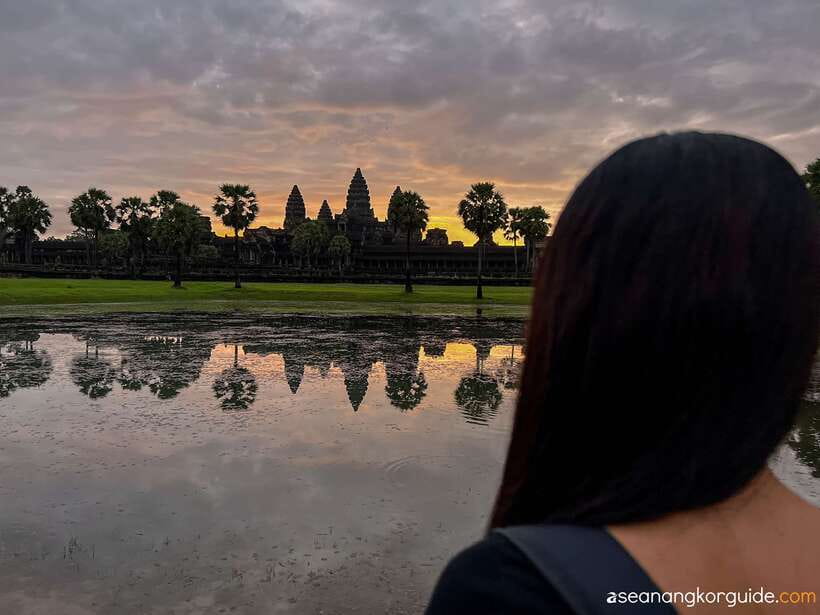
- Sunrise begins the day at Angkor Wat: Expect an early pickup and roughly an hour and a half around the temple.
- E-bikes reach quieter corners: The route uses forest tracks, back roads, and alternative entrances that larger vehicles cannot use.
- Breakfast is local, not a hotel buffet: Try rice noodles, palm cake, and steamed rice dumplings in or near Preah Dak village.
- The tuk-tuk remains part of your safety net: It follows much of the route with water, towels, fruit, and space for your belongings.
- The guide matters here: August, Ho, Raman, Sa, Jan, and Makara have all led this route, with special praise for temple explanations and photography.
- Budget for the temple ticket: The tour price is $85 per person, but the one-day Angkor pass costs another $37.
Why the e-bike route changes your Angkor day
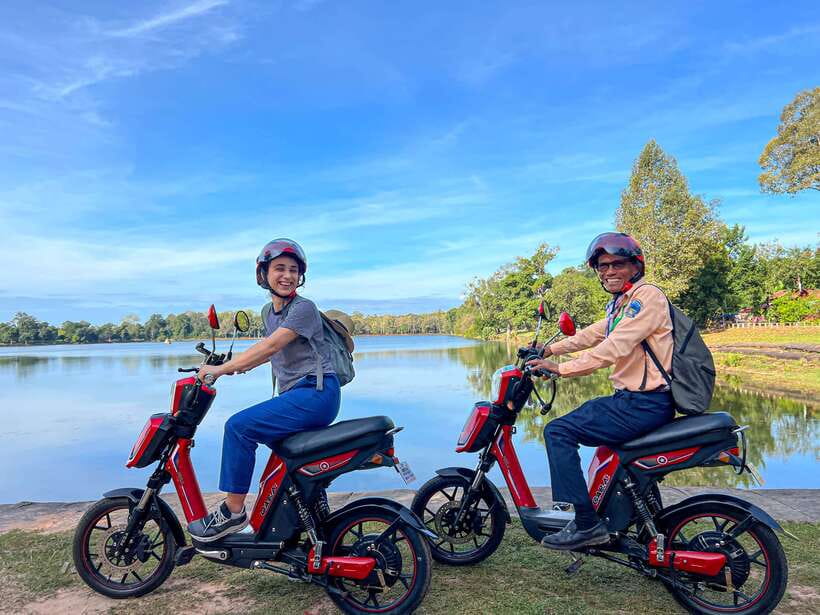
Most Angkor tours move by bus, van, or tuk-tuk. This one gives you an electric bike for the central part of the day, which changes both the pace and the access.
The bikes are described as more like electric scooters than traditional bicycles. They are easy to operate and require little pedaling, but you still need to feel comfortable steering on roads that can be rocky or sandy. The most useful feature is not speed. It is the ability to use narrow forest routes and approach some temples from quieter sides.
The tuk-tuk does not disappear once the bikes come out. It follows along the main roads when possible and meets you at the next stop. That means you can leave a backpack in the vehicle, refill your water, and cool down with an icy towel. Several guides also help with traffic crossings, while the driver rides behind the group to provide an extra buffer.
That support makes the bike portion less daunting, especially if you are not used to riding in Cambodia. Still, this is not a completely effortless sightseeing ride. You need balance, attention, and confidence on uneven surfaces. If you fall, as one participant did, the guide and driver are there to help, but sensible shoes and a steady hand remain important.
More Sunset E-Bike Tours in the world:
- Rome by Night – Ebike Small Group Tour – Food and Wine (Option)
★ 5.0 · 1,275 reviews - Rome by Night: E-bike Small Group Tour -Food & Wine (Option)
★ 4.9 · 1,233 reviews - Siesta Key Electric Bike Sunset Tour
★ 5.0 · 1,075 reviews
4:40 am pickup and the wait for sunrise
The day starts before dawn. A tuk-tuk collects you from your Siem Reap hotel at about 4:40 am, and the ride to Angkor Wat takes roughly 20 to 30 minutes depending on the pickup point.
You then walk through the entrance area in the dark toward the reflecting pool and the familiar temple view. Bring a phone light or rely on your guide’s flashlight, as the approach can be very dark before sunrise.
You may wait close to an hour for the sky to brighten. This is the one part of the schedule that can test your patience. Sunrise timing changes through the year, and cloudy weather can soften the famous colors. Even so, seeing Angkor Wat’s towers appear in the early light is a powerful start, and the cooler air makes this the most comfortable time to be at the site.
A guide such as Raman or August can move you to different viewpoints and help find a good position near the water. Your guide will also manage the transition from outdoor viewing to the temple itself, rather than leaving you to work out the vast complex alone.
Angkor Wat takes more than a photograph
After sunrise, plan on about an hour and a half exploring Angkor Wat. That is enough time for a useful first look, though not enough to inspect every corridor and carving.
This is where a good guide earns the fee. The temple is enormous, and it is easy to spend your visit admiring the main towers without understanding what you are seeing. Guides on this route explain the carvings, the design of the buildings, and the religious setting that shaped the site.
The early start also helps you see Angkor Wat before the heat becomes severe. You will still need sun protection later, but the first temple visit is far more pleasant than arriving in the middle of the day.
Dress for the temple rules. Sleeveless shirts are not allowed, so wear covered shoulders from the start. Light, breathable clothing is useful, but it must remain respectful.
Preah Dak village and a real Cambodian breakfast
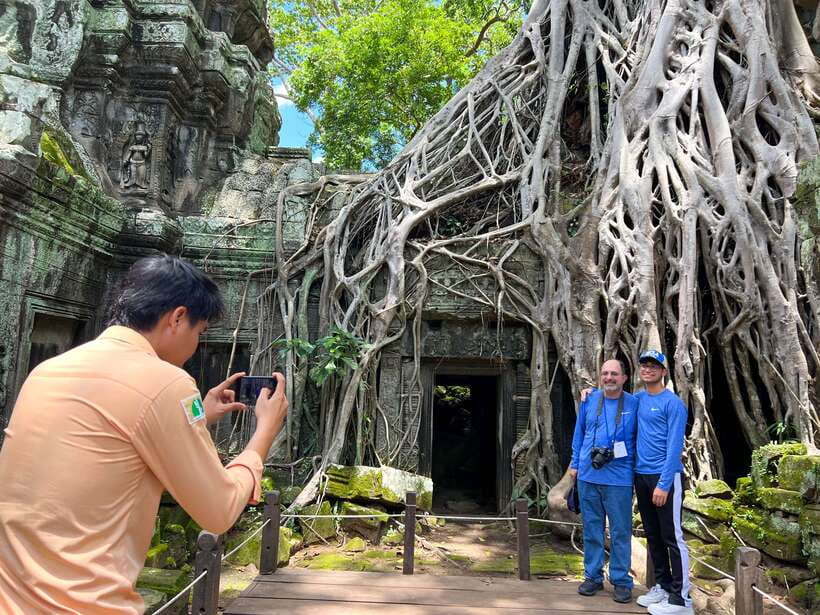
After Angkor Wat, you switch to the e-bikes and ride toward Preah Dak village. This is one of the most appealing parts of the outing because food becomes part of the sightseeing rather than a quick stop at a tourist restaurant.
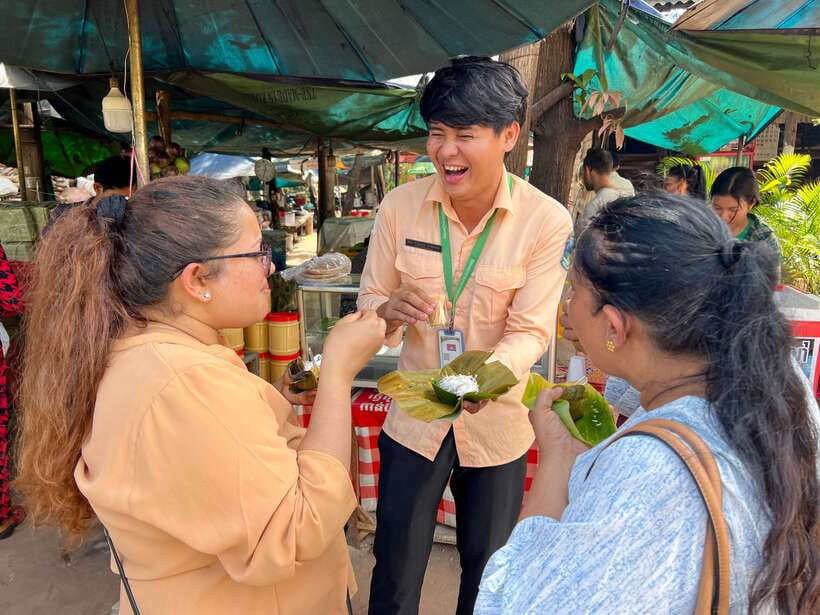
Breakfast includes Khmer rice noodles with fish green curry soup. You may also try local sweets such as palm cake and steamed rice dumplings filled or flavored with palm sugar. The meal gives you a direct taste of everyday Cambodian cooking, with ingredients and dishes that are very different from a standard Western breakfast.
The setting matters as much as the food. You eat near the Royal Swimming Pool of Sras Srang, where the water and open view provide a calmer break after the temple visit. This is also a good time to ask your guide about Cambodian food, village life, and the palm products you see along the route.
The included meal is a real value at $85, especially when you add the fruit, coconut, water, and cool towels. Lunch is not included, so breakfast is your main meal for the morning. If you usually eat early or need more food after several hours of activity, plan to buy or carry something extra.
More morning rides around the world:
- Rhodes: E-bike Highlights Sunset or Morning Photo Tour
★ 4.9 · 351 reviews - Sunrise in Rome: Small Group E-Bike tour with Italian Breakfast
★ 5.0 · 179 reviews - Sunrise in Rome: Small Group E-Bike Tour & Italian breakfast
★ 4.9 · 177 reviews - Mediaeval Rhodes E-bike Highlights Photo Tour Morning/Sunset
★ 5.0 · 164 reviews
Local market stops and the less polished side of Cambodia
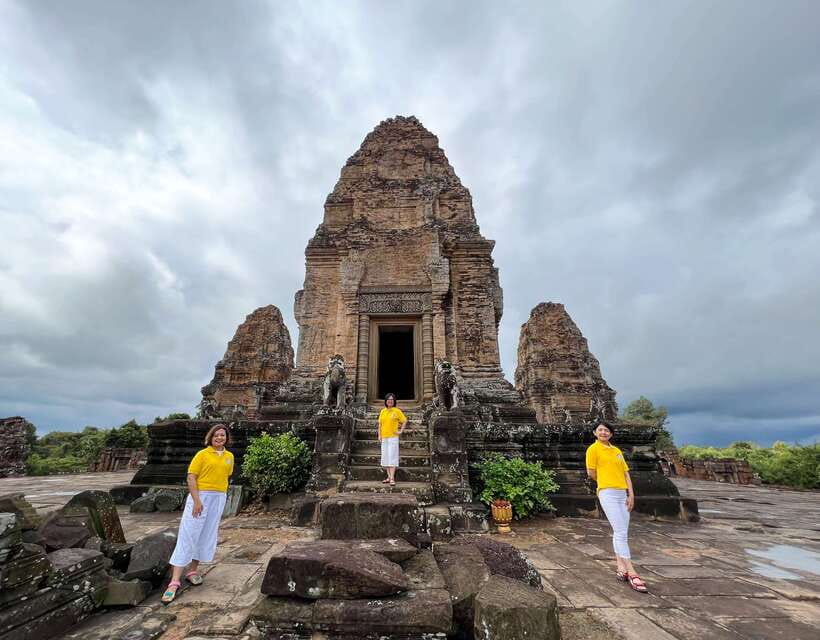
The route includes time at a local market in Siem Reap. You can walk between the food stalls and look at sticky rice, cakes, fruit, and egg noodles. More adventurous eaters may find fried spiders or scorpions.
You do not have to try anything that makes you uncomfortable. The value of the market stop is seeing what people buy and eat, not proving your courage with an insect snack. Your guide can help explain unfamiliar foods and identify what may suit you.
This stop also keeps the day from becoming a parade of ruins. Angkor is the reason you came, but the market and village sections help connect the temples to present-day Cambodia. You get a glimpse of local routines rather than spending nine hours inside archaeological sites alone.
Ta Prohm and Ta Nei by forest road
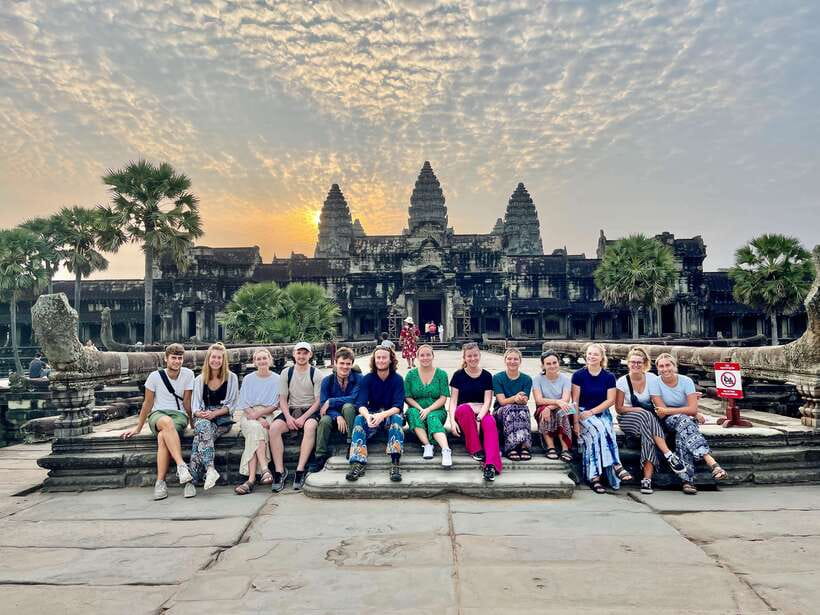
Ta Prohm is the temple most associated with trees and giant roots gripping old stone. Parts of the site remain overgrown, giving it a dramatic, slightly unruly feel that differs from Angkor Wat’s ordered scale.
The e-bike makes the approach special. You can use back routes and reach entrances that are less direct for buses. Several guides also adjust the order of the stops to avoid the heaviest crowds, when conditions allow. That flexibility is useful at Ta Prohm, where narrow passages can feel packed later in the morning.
Ta Nei is quieter and more remote in character. It has been left in a more original state and is partly covered by jungle growth. Do not expect the same grand scale as Angkor Wat or the same polished visitor setup. That is precisely its appeal, but it also means rougher approaches and fewer obvious paths.
The bike route lets you see these temples as part of the forest rather than simply arriving at a parking area, taking pictures, and leaving. You may ride through shaded stretches, small roads, and village areas between the monuments.
Bayon and Angkor Thom’s Victory Gate
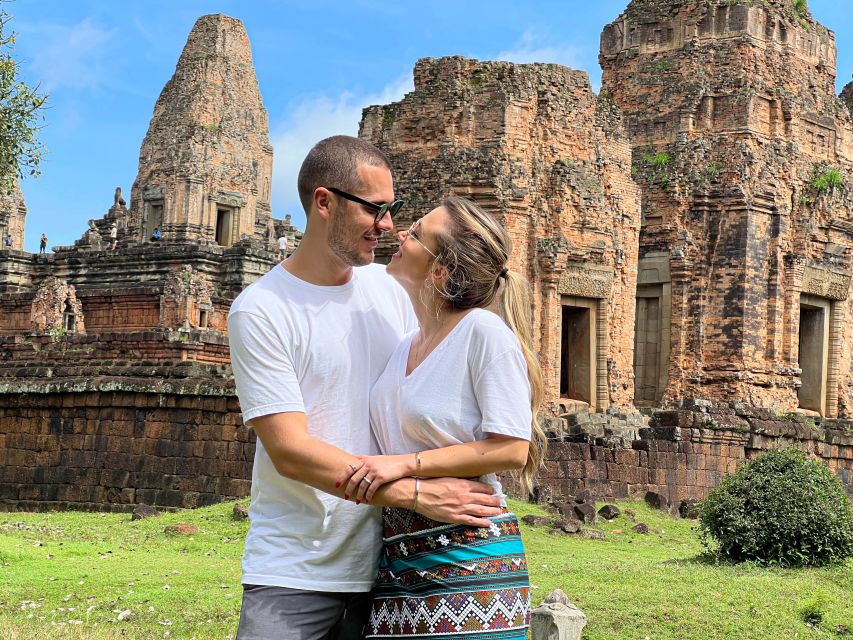
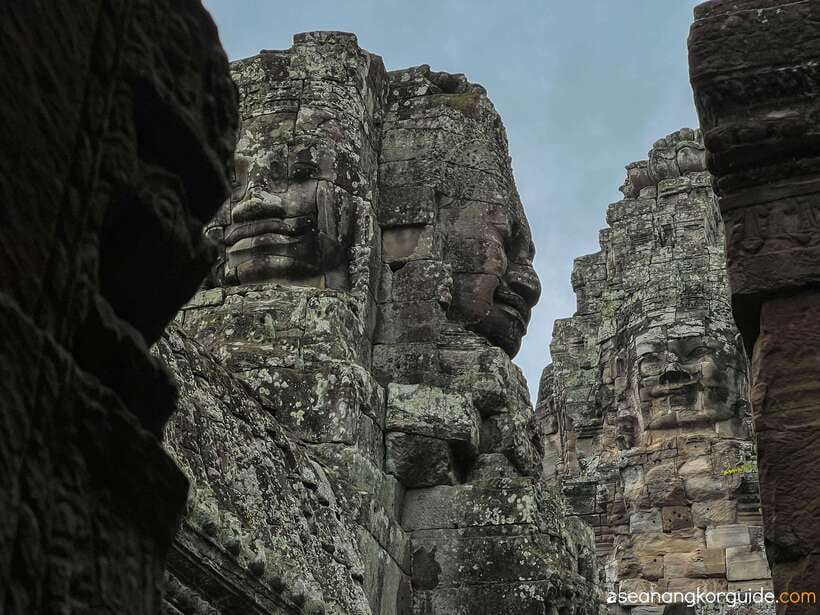
The final major temple stop is Bayon, inside Angkor Thom. Its stone faces are the visual signature of the site, with large smiling expressions looking out from the towers.
Bayon needs time and explanation. From a distance, the faces are striking. Inside, the tight layout and layered towers can be confusing, and a guide helps you understand how the temple functioned as a place of worship, education, and administration under King Jayavarman VII.
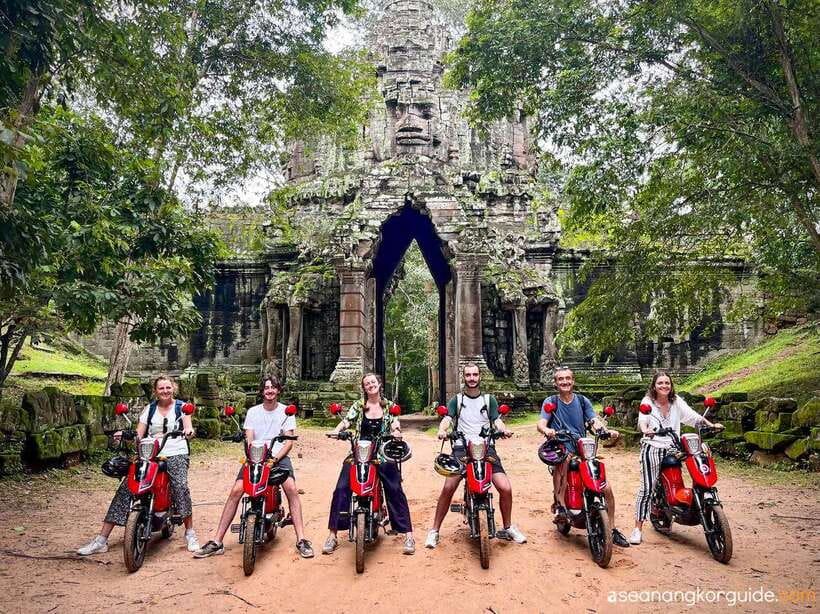
You also visit the Victory Gate of Angkor Thom. It gives you another look at the scale of the old city and the ceremonial routes that once led through its walls. The gate is a worthwhile stop even if you are beginning to feel temple fatigue.
By this point, heat and climbing may catch up with you. The driver’s water, fruit, coconut, and cold towels are not decorative extras. They make a real difference after hours outdoors. Take breaks, drink regularly, and tell your guide if you need a slower pace.
The guides are a major part of the value
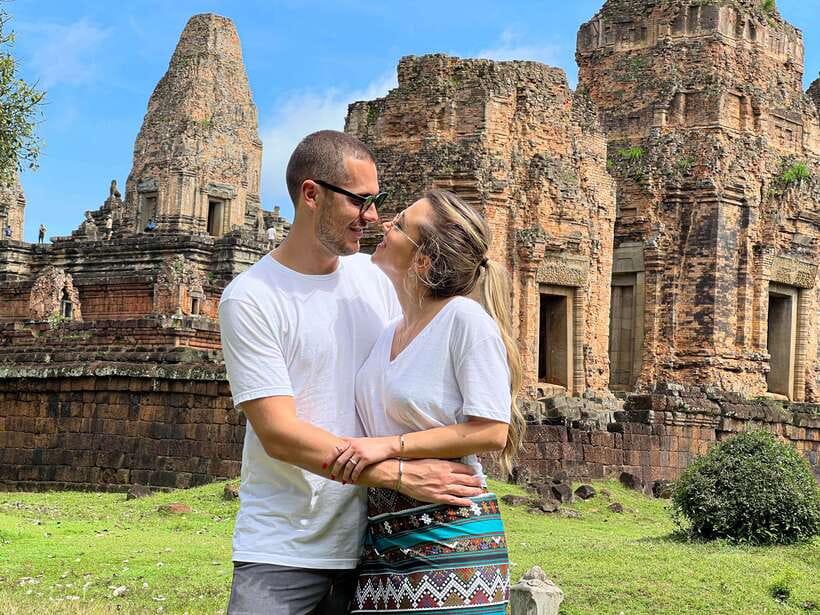
The route depends heavily on the person leading it. August receives repeated praise for adjusting the plan around crowds, explaining carvings, and taking strong photographs. Ho is noted for detailed temple knowledge, kindness, and helping solo visitors get good pictures.
Raman is another strong choice for history, photography, and clear English. Sa has been praised for warmth and flexibility, while Jan and Makara are also described as helpful guides who know the quieter approaches.
You are not guaranteed a particular guide unless the provider confirms one, but these names show the kind of service associated with the experience. Expect more than directions from one temple to the next. Your guide can explain Cambodian history and culture, point out small details, and suggest good photo positions.
For solo visitors, the photography help is especially useful. You do not have to rely only on selfies, and the tuk-tuk driver can also help with bags and practical needs.
What the $85 price really includes
At $85 per person, this costs more than a basic group bus or tuk-tuk circuit. You also pay the $37 one-day Angkor pass separately, bringing the fixed total to $122 per person before lunch or extra drinks.
The price makes more sense if you value small-group or private guiding, bike access, breakfast, and hands-on support. Included items cover the English-speaking guide, e-bike, hotel pickup and return by tuk-tuk, breakfast, seasonal fruit, coconut, bottled water, and towels.
You are paying for a full day of logistics, not just transport between famous temples. The guide adapts the route, the driver follows the bikes, and the food stops add local context. If you only want to see Angkor Wat from a tuk-tuk and spend as little as possible, cheaper choices exist. If you have one main Angkor day and want more access and personal attention, the extra cost is easier to justify.
Free cancellation up to 24 hours before departure and reserve-now, pay-later booking make the arrangement less rigid. Pick up is from your hotel lobby, where you should wait about 10 minutes before the scheduled time.
Who should book this experience?
I would choose this for a first full day at Angkor, particularly if you want the major temples plus village roads, market food, and a little adventure. Families with teenagers have enjoyed the bikes, and solo visitors benefit from the guide’s photo help and the added security of the following tuk-tuk.
It suits people who can handle a very early start, several hours outdoors, temple steps, and uneven bike routes. It is not suitable for pregnant women or people over 70 according to the activity restrictions. Anyone who dislikes riding, struggles with balance, or wants a slow, air-conditioned day should choose a different format.
Bring covered shoulders, sunscreen, insect repellent, and a camera. Wear secure footwear, and do not skip water even when the morning feels cool.
Should you book the Angkor sunrise e-bike tour?
Yes, if you want Angkor Wat at sunrise but do not want the whole day to follow the usual bus route. The standout combination is the early temple visit, local breakfast, forest riding, and guides who can shift the order to find quieter spots.
Book it knowing that the alarm comes very early, the temple ticket costs extra, and the roads near smaller temples can be rough. For an active visitor with only one or two days in Siem Reap, the e-bike access and careful support make the $85 price worthwhile.
FAQ
What time does the tour start?
Hotel pickup is scheduled for about 4:40 am. You should wait in your hotel lobby 10 minutes before pickup.
Is the Angkor pass included?
No. The one-day Angkor pass costs $37 per person and is paid separately.
What food is included?
Breakfast includes local Cambodian food such as Khmer rice noodles with fish green curry soup, palm cake, and steamed rice dumplings with palm sugar. Seasonal fruit and coconut are also included.
Are the bikes traditional bicycles?
The experience uses electric bikes. Based on the equipment description, they are closer to easy-to-operate electric scooters than standard pedal bicycles.
Does the tuk-tuk stay with the group?
The tuk-tuk provides pickup and return and follows the group where possible during the bike route. It carries belongings and supplies water and cool towels.
Is the tour suitable for everyone?
No. Sleeveless shirts are not allowed, and the activity is not suitable for pregnant women or people over 70. You should also feel comfortable riding on some rocky or sandy roads.
New e-bike tours around the world
- From Tromsø: Tromsø Highlights & History Tour With E-Bike★ 4.7 · 14 reviews
- From the sea to the Apuan Alps:EBike Tour on Mount Folgorito★ 4.7 · 2 reviews
- Mount Vesuvius E-bike Tour★ 4.8 · 5 reviews
- From Springdale: Zion Sunset Biking/eBiking Tour★ 5.0 · 2 reviews
- From San Pedro de Atacama: Laguna Cejar E-biking Adventure★ 5.0 · 10 reviews
- From Pretoria: E-Bike in the wild with game near Jo’burg★ 5.0 · 6 reviews
- From Reims: Champagne Afternoon E-Bike Tour★ 4.6 · 29 reviews
- From San Pedro de Atacama: Moon Valley E-Bike Tour★ 5.0 · 10 reviews