
Review · THE USA
Big Island: Fat Tire E-Bike Tour through Volcanoes National Park
Kilauea is far more interesting when you are not sealed inside a car. This three-hour fat-tire e-bike tour carries you from the Kilauea Lodge parking lot into Hawaii Volcanoes National Park, where you can feel the cool air, hear the forest, and stop beside volcanic features without fighting for every parking space. Guides such as Nicole, Derek, Tyler, Scott, and Bill add stories about the volcano, plants, animals, and Hawaiian land.
I like the easy pedal assist and the way the bikes make long uphill stretches manageable. I also like the small-group format, with no more than 12 people, since guides can help with bike settings and keep the pace together. The main caution is simple: you need intermediate bike skills. The bikes weigh 65 pounds, and no refund is offered if you cannot ride one comfortably.
Key points before you book
- Ride roughly 12 to 15 miles: The tour moves at a relaxed pace of about 8 miles per hour, with frequent stops.
- Expect paved roads and some walking: This is not a rough mountain-bike ride, and several sights require leaving the bike behind.
- Nicole, Derek, Tyler, Scott, and Bill may lead: Guides explain volcano science, Hawaiian plants, park history, and local wildlife.
- Bring layers and rain protection: Volcanoes National Park can be cool, wet, and windy even when Kona or Waikoloa is sunny.
- Practice before entering the park: You receive bike instructions and a safety briefing, but beginner cycling lessons are not included.
- The $199 price buys more than transportation: You get the e-bike, helmet, water, snacks, route planning, safety support, and interpretation.
Starting at Kilauea Lodge with a proper bike briefing
The meeting point is the extension parking lot at Kilauea Lodge and Restaurant, at 19-3948 Old Volcano Road in Volcano. You return to the same place at the end, so you do not need to arrange a second pickup point.
The opening routine matters. Guides provide helmets, explain the controls, and give you time to practice in the parking area. The bikes use pedal assist, a throttle, and torque sensors. That combination gives you several ways to manage hills, but it also means you should pay attention during the briefing instead of treating the bike like a normal beach cruiser.
A few people may find the initial practice area more challenging than expected because it includes uneven or sloping ground. The tour operator is clear that you must already know how to ride a bike, and the experience is not designed to teach basic cycling. If you have never ridden a bicycle, or you feel unsteady when starting, stopping, turning, or balancing at low speed, this is not the right place to learn.
The bikes weigh 65 pounds. That is useful to remember before booking, especially if you have trouble handling a heavy bicycle or need to lift one over a small obstacle. Guides do make an effort to help with fit and instruction, but you remain responsible for controlling the bike.
Each bike includes a helmet and a rear travel pack. The pack has room for a phone, wallet, camera, and small items. Water, snacks, a towel or shammy cloth, and riding goggles are supplied. Sunglasses work too, but goggles can be better in rain or wind.
More fat tire e-bike rides around the USA:
- 2.5 Hour FAT Tire E-Bike Tour – Scottsdale Greenbelt Adventure
★ 5.0 · 155 reviews - Ubud: Rice Terraces & Villages Half-Day Fat Tire E-Bike Tour
★ 4.9 · 602 reviews - Palma: Guided City Tour with a Fat Tire E-Bike
★ 4.7 · 196 reviews
Through the Escape Route gates and into the forest
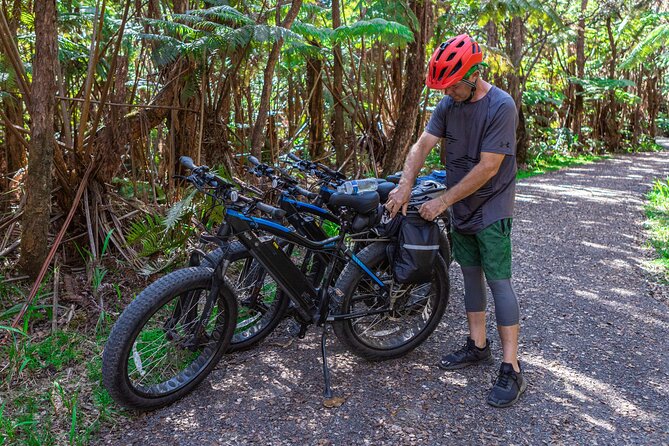
Once the group is ready, the guide leads you through the Escape Route gates into the park. The route uses paved roads and paths, so this is a sightseeing ride rather than a technical cycling adventure.
The first part passes through forest filled with flowers and foliage. At this speed, you notice more than you would from a car. You can stop to look at plant life, hear the guide explain how the area changed after volcanic activity, and take photos without pulling over a large vehicle.
This is also where the tour’s pace becomes clear. It is not built around speed. One guide described the average pace as about 8 miles per hour, which gives you time to stay with the group and look around. A reported distance of roughly 12 to 15 miles makes the e-bike useful, but the ride still feels relaxed rather than athletic.
The guide may stop often to explain a plant, a volcanic feature, or the way the park developed. That is a strength if you want context. It can feel slow if you hoped for long, uninterrupted stretches of cycling. One fair criticism is that some people would prefer fewer talks and more time riding.
The lava tube walk and the value of getting off the bike
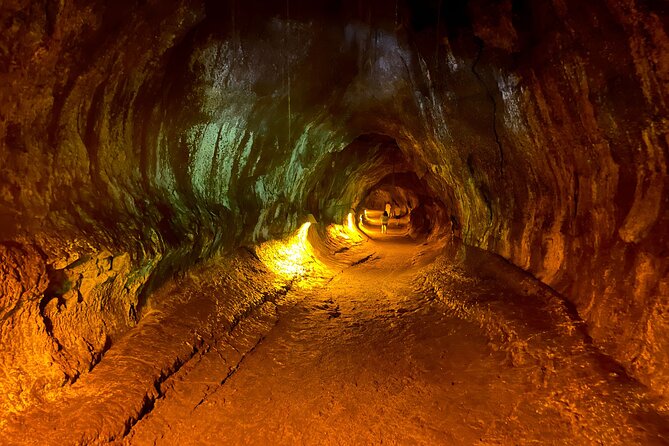
The route includes a lava tube, reached by a short walk. This is a good example of what the tour is and is not. The bicycle helps you cover ground between sights, but you do not pedal directly through every attraction.
You should expect some walking at stops. This surprised at least one person who expected a ride with almost no time on foot. The walking is part of seeing the park properly, especially at volcanic features where bicycles must remain outside.
The lava tube also creates a welcome change of pace. After riding through the forest, you get a closer look at a feature formed by flowing lava. Guides explain the setting and allow time for photos. The stop is not a long hike, but you should be comfortable walking short distances and standing while the group gathers.
Craters, volcano views, and the Volcano House stop
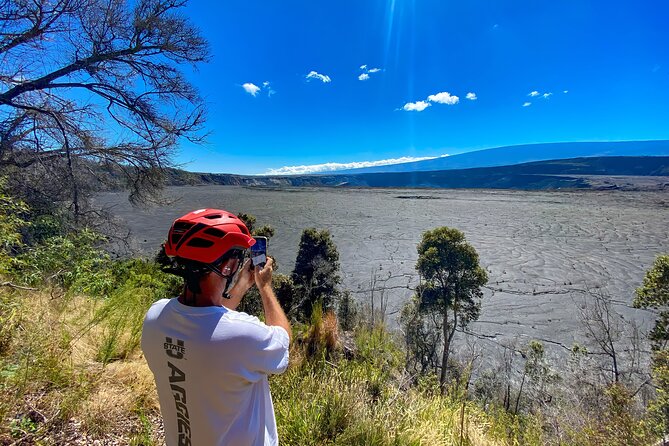
The ride continues along paved park roads toward volcanic viewpoints and crater areas. The exact feel of this section depends on weather, road conditions, park operations, and volcanic activity. Kilauea can change quickly, so a route that looks simple on paper may be adjusted for safety.
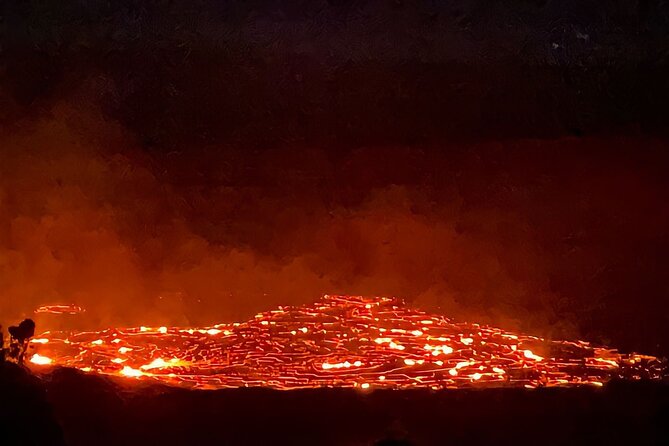
The strongest part of the ride is the contrast between the forest and the open volcanic areas. One moment you are pedaling beneath trees, and later you are looking toward broad crater views and the active volcano zone. The e-bike lets you cover more ground than walking, while the open air gives you a better sense of temperature, wind, and distance.
The route may include a lookout point and seaside views, along with stops at major park attractions. Guides use these pauses to explain volcanic activity, the surrounding plants, native animals, and the human story of the island. Nicole is especially praised for careful pacing and clear explanations, while Derek, Tyler, Scott, and Bill are also noted for friendly instruction and strong park knowledge.
You may spend time at the Volcano House lobby during the tour. It offers shelter on a wet or cold day, but it can be a weak point if you have already visited it and want every minute on the bike. A late start, heavy traffic, weather, or park restrictions can reduce the amount of riding. Keep that in mind if your main goal is to cover as much road as possible.
More national park e-bike rides around the USA:
- Self-Guided Ebike Tours of Acadia National Park Carriage Roads
★ 5.0 · 427 reviews - Guided Ebike Tour of Acadia National Park Carriage Roads
★ 5.0 · 408 reviews - Saguaro National Park East E-Bike Tour
★ 5.0 · 316 reviews - 3 Hour Guided E Bike Tour in Zion National Park
★ 5.0 · 205 reviews
Why the e-bike works so well here
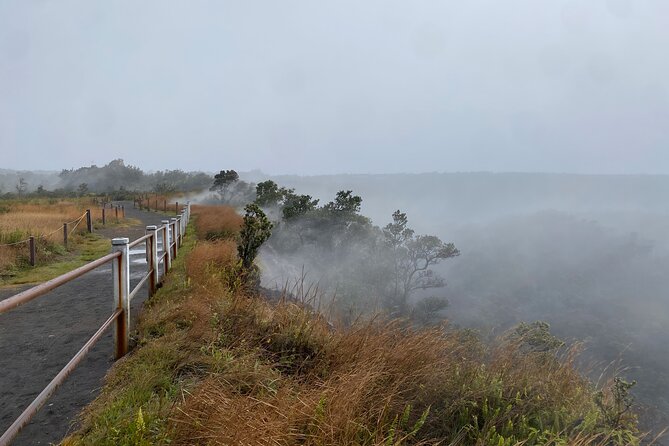
The biggest practical benefit is not speed. It is range.
A car can reach many of the same park areas, but you still have to deal with traffic, crowded lots, and walking between stops. A bicycle lets you move past lines of cars and stop in a more personal way. You are also outside the entire time, which makes the cool mountain air and changing weather part of the experience.
The pedal assist helps on uphill sections. One family found the ride manageable even for someone out of shape and long removed from regular cycling. Retired riders with no previous e-bike experience also managed after a short orientation. That does not erase the need for basic bike control, but it does mean you do not need to be a serious cyclist.
The fat tires add stability and comfort on the park’s paved routes. The bikes also have fenders, which are helpful when roads are wet. The controls may feel unfamiliar for the first few minutes, especially when using the throttle or changing assist levels. Most people get used to them quickly, but you should not expect to operate the bike perfectly without practice.
A mechanical problem is possible on any bike tour. One outing was shortened by a battery and bike-computer issue, followed by a park evacuation during volcanic activity. That is unusual, but it shows how much this experience depends on conditions outside the operator’s control.
Weather, clothing, and what to carry
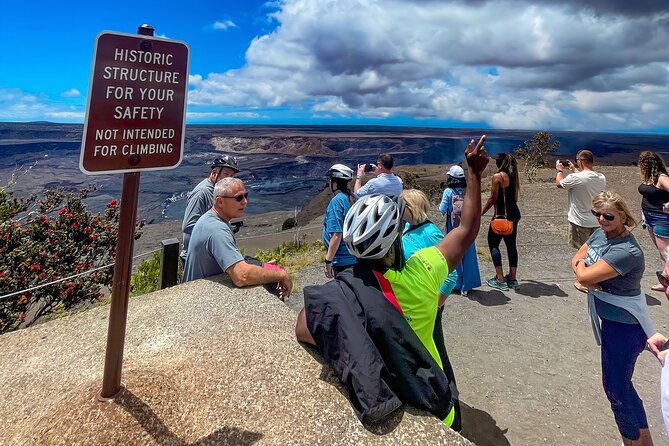
The elevation around the park makes the weather cooler than the coast. Do not leave Kona or Waikoloa in a tank top and shorts just because the morning is sunny there. Bring a light jacket, warm layer, and waterproof rain jacket. Gloves may help if you get cold easily, and a hat is useful in changing weather.
Rain does not necessarily ruin the ride. The bikes have fenders, and the supplied goggles can protect your eyes better than sunglasses in wet conditions. Still, wet roads, low visibility, or park closures can affect the route.
You do not need to pack a full day bag. Water and snacks are included, and the bike pack holds small personal items. A phone or camera is worth carrying because guides regularly stop at good photo points. Keep valuables limited, since the ride is designed for compact gear rather than large luggage.
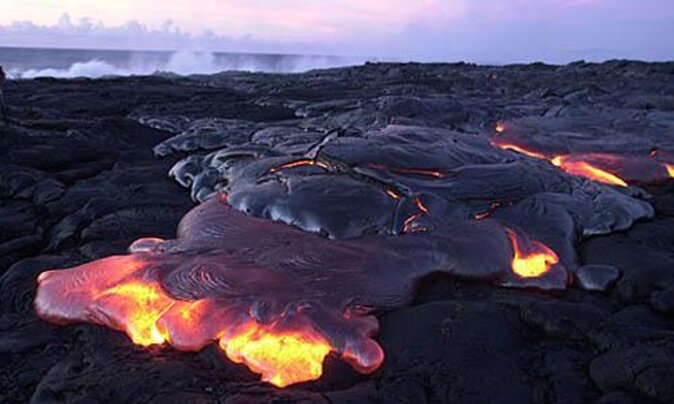
The park can also be affected by volcanic events. One group encountered falling tephra when an eruption episode began, and the park later closed and required evacuation. Seeing active volcanic behavior can be memorable, but safety decisions take priority. The guide may shorten or change the ride without notice.
Small-group pacing and guide quality
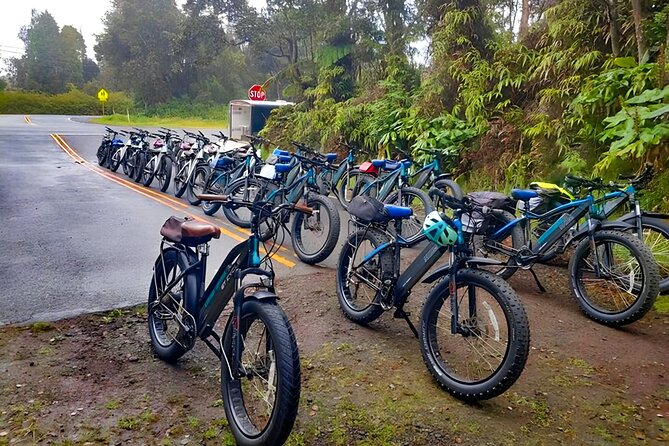
The maximum group size is 12. That is small enough for a guide to notice if you are falling behind, struggling with a hill, or having trouble with the controls. It also gives you a chance to ask questions without shouting across a large group.
Guides Nicole and Derek receive especially strong praise for being attentive, funny, and clear. Nicole is noted for waiting for slower walkers before continuing a talk. Scott has been patient with a rider who needed extra time to get started, and Bill is described as a calm instructor for first-time e-bike users.
The guides cover more than volcano facts. Expect information about plants, animals, Hawaiian land, volcanic history, lava tubes, and the park’s changing conditions. The value here depends on your interest. If you want a quiet ride with few interruptions, the number of stops may feel excessive. If you want to understand what you are seeing, the explanations turn a scenic ride into a more useful visit.
The group pace must accommodate different abilities. Strong cyclists may occasionally want to go faster, while less confident riders may appreciate the steady speed. The tour works best when you accept that it is a guided outing, not an independent cycling session.
Is $199 a fair price?
At $199 per person, this is not a cheap way to enter Hawaii Volcanoes National Park. You are paying for a quality fat-tire e-bike, helmet, water, snacks, instruction, a planned route, guide support, and about three hours of access to a large park area.
I think the price makes sense if you want an active alternative to driving and would otherwise rent equipment or struggle to plan the route yourself. The guide’s interpretation also matters. You can visit many of the same areas by car, but you will not receive the same continuous help with the volcano, plants, animals, and route.
The value drops if you are mainly seeking a long, uninterrupted bike ride. Frequent stops, a short walk through the lava tube, and possible time at the Volcano House mean that not all three hours are spent pedaling. The route may also be shortened by traffic, weather, a bike issue, eruption activity, or park closure.
Cancellation is flexible until 24 hours before the start time, when you can receive a full refund. Cancellations or changes inside that window are not refunded. If poor weather or a minimum-group issue cancels the activity, you are offered another date, another experience, or a full refund.
Who should book this Volcanoes National Park ride?
I would choose this tour if you can ride a standard bicycle confidently but do not want a demanding workout. It suits couples, families with older teenagers, solo visitors, and mixed-ability groups who want to cover ground without turning the day into a hard cycling challenge.
It is a good match for anyone who enjoys learning while moving. The guides add value at each stop, and the bike provides access to more of the park than a short walking visit. It is also useful for a first visit, when route planning and parking can otherwise take up time.
I would hesitate if you have no cycling experience, difficulty balancing, or trouble walking short distances. Youth aged 15 and older can use the e-bikes. For younger children, you must contact the operator to discuss options, and you should not assume a place is available.
Final call: book it for access, not speed
Book this tour if you want to see Hawaii Volcanoes National Park from the open air, cover roughly 12 to 15 miles, and learn from guides such as Nicole, Derek, Tyler, Scott, or Bill. The best reasons are the easy hill assistance, small group, forest and crater views, and the chance to move past car traffic.
Skip it if you want total control over the schedule, dislike frequent stops, or cannot confidently handle a heavy e-bike. Pack warm layers and rain gear, arrive ready to practice, and treat volcanic activity and weather as part of the day’s uncertainty. For the right rider, this is one of the more memorable ways to visit Kilauea without spending the whole time behind glass.
FAQ
How long is the fat-tire e-bike tour?
The tour lasts approximately three hours.
How much does the tour cost?
The listed price is $199 per person.
Where does the tour begin and end?
It begins at the Kilauea Lodge and Restaurant extension parking lot, at 19-3948 Old Volcano Road in Volcano, Hawaii. The activity ends back at the same meeting point.
What is included?
A fat-tire e-bike, helmet, operating instructions, snacks, and water are included. Bikes also have a small travel pack, and riding goggles may be provided.
Do I need previous bike experience?
Yes. Intermediate biking skills are recommended, and beginner bike lessons are not included. You must already know how to ride a bicycle and control the e-bike.
Can children join the tour?
Youth aged 15 and older may participate on the e-bikes. For children younger than 15, contact the operator to discuss possible arrangements.
How many people can join the tour?
The maximum group size is 12 people.
Should I bring a jacket or rain gear?
Yes. The park can be cool and rainy, even when coastal areas are warm and sunny. A waterproof rain jacket, extra layers, and gloves for cold-sensitive riders are useful.
Can I cancel for a refund?
You can cancel up to 24 hours before the start time for a full refund. Cancellations or changes made less than 24 hours before the experience are not refunded. If poor weather or an insufficient group cancels the tour, you are offered another date, another experience, or a full refund.
New e-bike tours around the USA
- eBike Guided Tour of Fort Worth★ 5.0 · 4 reviews
- Estes Park: Guided E-Bike Tour★ 5.0 · 2 reviews
- Nashville: Electric Bike 2-hour Tour★ 4.9 · 8 reviews
- Electric Bike Tour of Bend & Deschutes River★ 4.9 · 12 reviews
- Electric Bike Tour: Classic Manhattan And More!★ 3.4 · 15 reviews
- Downtown Bike Tour with Stylish Dutch Bikes or E-bikes!★ 4.9 · 56 reviews
- Discover Denver: Electric Bike Tour with Local Guide★ 4.9 · 15 reviews
- Diamond Head E-Bike to Hike★ 5.0 · 2 reviews
USA E-Bike Tours, side by side.
Asheville Historic Downtown Guided Electric Bike Tour with Scenic Views
Read our review →
Monterey’s 17 Mile Drive Guided Electric Bike Tour, 3 hr
Read our review →
New York City: Highlights of Central Park Bike or eBike Tour
Read our review →
Red Rock Canyon Self-Guided Electric Bike Tour
Read our review →This ride also appears in